Biosimilars/Research

Biosimilar trastuzumab candidate shows ‘similarity’ to Herceptin

Biosimilars/Research | Posted 11/08/2017

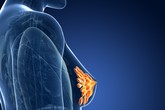
Results of a phase III clinical study of Celltrion’s biosimilar trastuzumab candidate CT‑P6 demonstrated the ‘similarity’ of the efficacy and safety compared to the originator biological (Herceptin) in patients with HER2+ breast cancer [1].

US prescribers’ views on the naming and labelling of biologicals

Biosimilars/Research | Posted 14/07/2017

The Alliance for Safe Biologic Medicines (ASBM) has published the results of a survey in which they asked 400 US physicians for their views on the labelling of biosimilar medicines, and a separate survey in which they asked another 400 US physicians for their views on the naming of biosimilar medicines [1]. All those surveyed were prescribers of biological medicines. The surveys were carried out in the run up to the release of guidance from the US Food and Drug Administration (FDA) on the non-proprietary naming of biological products.

Real world switching data for etanercept biosimilar Benepali

Biosimilars/Research | Posted 14/07/2017

Real world evidence from a study of etanercept biosimilar Benepali (SB4) compared to Amgen/Pfizer’s arthritis blockbuster Enbrel (etanercept) have demonstrated ‘sustained efficacy and safety, and high acceptance and adherence in patients initiating treatment with Benepali (etanercept)’, according to Biogen.

Pharmocovigilance of rituximab in Argentina

Biosimilars/Research | Posted 07/07/2017

Novex is a rituximab medicamento biológico similar (similar biological medicines) approved in Argentina. According to Argentinian regulations such products need to implement an active pharmacovigilance programme. This requires regular reporting to the Argentinian regulatory agency Administración Nacional de Medicamentos, Alimentos y Tecnología Médica (National Administration of Drugs, Foods and Medical Devices; ANMAT).

Trastuzumab biosimilar could reduce breast cancer treatment costs

Biosimilars/Research | Posted 30/06/2017

Trastuzumab is a monoclonal antibody that interferes with the human epidermal growth factor receptor 2 (HER2)/neu receptor. In some cancers, notably certain types of breast cancer, HER2 is overexpressed, and causes cancer cells to reproduce uncontrollably. Trastuzumab is therefore used to treat certain breast cancers.

Biosimilars and sustainability

Biosimilars/Research | Posted 23/06/2017

Competition between brand-name biologicals and biosimilars has the potential to reduce future cancer costs, according to researchers from Italy [1].

Boehringer Ingelheim’s adalimumab biosimilar ‘equivalent’ to Humira

Biosimilars/Research | Posted 23/06/2017

Germany-based biologicals specialist Boehringer Ingelheim (Boehringer) announced on 14 June 2017 positive results from its pivotal phase III study of its candidate adalimumab biosimilar.

Biosimilar infliximab safe and effective in IBD

Biosimilars/Research | Posted 16/06/2017

A systematic review and meta-analysis of Celltrion/Hospira’s infliximab biosimilar, Remsima/Inflectra found it to be safe and effective in the treatment of inflammatory bowel diseases (IBD) [1].

Infliximab biosimilar coming closer to interchangeability

Biosimilars/Research | Posted 09/06/2017

Three studies presented at the Digestive Disease Week (DDW) 2017 have shown no significant differences in efficacy or safety endpoint. Two of the studies also specifically tested outcomes in patients switching from the originator infliximab product, Remicade, to the biosimilar version.

Predictive modelling of CIN prophylaxis with biosimilar filgrastim

Biosimilars/Research | Posted 09/06/2017

Granulocyte colony-stimulating factors (G-CSF) stimulate white blood cell production and as such are indicated in the prophylaxis of chemotherapy-induced neutropenia (CIN) and febrile neutropenia (FN). Risk models of CIN/FN to date focus on predictors measured at the start of chemotherapy. Aapro and colleagues used a dynamic approach of CIN/FN risk modelling at the start of each cycle.

How the FDA regulates biosimilars

Biosimilars/Research | Posted 02/06/2017

The advent of recombinant DNA-technology ushered in the development of novel therapeutic protein products that have become mainstays of treatment regimens against cancer, inflammatory disorders and other serious diseases and conditions. Recombinant therapeutic proteins are typically large, complex molecules that are produced in cultured cells and manufactured using complex, multistep purification processes. Despite some of these products being ‘off-patent’ for years, they remain among the most expensive pharmaceuticals in the US and the world. One approach that governments across the globe have taken to reduce healthcare costs is to give regulatory authorities the ability to approve biologicals using an abbreviated licensing pathway that includes achieving the rigorous standard of demonstrating ‘biosimilarity’ with an already approved biological product.

Positive phase III results for Sandoz’s adalimumab biosimilar

Biosimilars/Research | Posted 02/06/2017

A phase III study of a proposed adalimumab biosimilar (GP2017) from Sandoz has met its primary endpoint ‘demonstrating equivalent efficacy’ to AbbVie’s Humira (adalimumab).

Biosimilars in the treatment of inflammatory bowel disease

Biosimilars/Research | Posted 26/05/2017

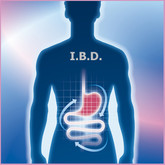
Inflammatory bowel disease (IBD) is mainly characterized by two chronic, relapsing, immune-mediated inflammatory diseases of the gastrointestinal tract: Crohn’s disease and ulcerative colitis. Approximately 1.4 million Americans are affected by IBD and afflicted with recurrent symptoms of bloody diarrhoea, abdominal pain, bowel obstruction, and other co-morbid conditions. The introduction of biologicals, highly complex molecules manufactured from living organisms, was a revolutionary advance in treating threatening and life-debilitating inflammatory diseases. Biologicals, particularly those that target tumour necrosis factor (TNF) signalling, have provided IBD patients with an efficacious method of treatment with regards to symptom management and mucosal healing. Nevertheless, the rising prevalence of IBD worldwide and the ever-increasing cost burden of biologicals in the healthcare industry is alarming for insurance companies, clinicians and patients.

EMA guidance for NBCDs and products approved

Biosimilars/Research | Posted 26/05/2017

The European Medicines Agency (EMA) has published reflection papers on nanomedicines and their follow-on versions [1]. It has also published a wide range of other guidance, which outlines the technical requirements to demonstrate the quality, safety and efficacy of medicines that may also be applicable to non-biological complex drugs (NBCDs), according to authors Ehmann and Pita [2].

Danish infliximab switching study shows no difference

Biosimilars/Research | Posted 19/05/2017

A study published by researchers from Denmark has found that switching from originator to biosimilar infliximab has ‘no negative impact on disease activity’ [1].

Post-marketing experience with IBD biosimilars

Biosimilars/Research | Posted 19/05/2017

The introduction of anti-tumour necrosis factor-alpha (TNF-α) monoclonal antibodies (mAbs), about two decades ago, has revolutionized the management of inflammatory bowel disease (IBD). However, they are also expensive and their cost can lead to restricted access for many patients.

Accountability, safety and competition in biologicals markets

Biosimilars/Research | Posted 12/05/2017

Regulatory systems for drug approval aim to reduce the likelihood of drug-related safety problems, but cannot fully eliminate post-marketing safety events. Such safety problems can have substantial consequences for patient’s well-being. For example, the most severe class of recalls issued by the US Food and Drug Administration (FDA) occur about once per month, and have recently been increasing in frequency [1]. Post-marketing surveillance or pharmacovigilance systems enable monitoring of and response to safety problems that may be undetected before drugs reach the general market [2]. When a safety problem occurs, successful identification of the responsible firm, or accountability, depends on the information available to the pharmacovigilance effort [3, 4]. 

Computer modelling for glycoengineering of biosimilars

Biosimilars/Research | Posted 04/05/2017

In order to be approved by regulatory agencies, biosimilars are required to match all pharmacological properties of the originator protein drug to guarantee efficacy and alleviate safety concerns.

Prospective study finds switching to biosimilar infliximab safe

Biosimilars/Research | Posted 28/04/2017

A study of the infliximab biosimilar Remsima has, according to the authors, shown similar ‘safety and survival’ of biosimilar infliximab Remsima compared to the originator biological Remicade [1].

Rituximab biosimilar safe in advanced follicular lymphoma patients

Biosimilars/Research | Posted 21/04/2017

A study of the rituximab biosimilar CT‑P10 has, according to the authors, ‘demonstrated’ similar pharmacokinetics (PK) and safety when administered in combination with cyclophosphamide, vincristine and prednisone (CVP) in patients with newly diagnosed advanced follicular lymphoma (AFL) [1].