Biosimilars/Research

Knowledge and perceptions about naming biosimilars in the US

Biosimilars/Research | Posted 19/03/2021

Following the introduction of biosimilars, naming conventions for biologicals have been introduced, in part to support pharmacovigilance.

Infliximab biosimilars for IBD patients: experience from Italy

Biosimilars/Research | Posted 12/03/2021

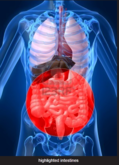
In the last 20 years, biological drugs have become the mainstream therapy for patients affected by moderately-to-severely active inflammatory bowel disease (IBD), even though they are associated with a significant increase in health-related costs. After the expiry of patents on originator drugs, the advent of antitumour necrosis factor alfa (TNF-α) biosimilars resulted in considerable cost-savings and increased patients’ access to these drugs. After having completed registration trials in rheumatic diseases [1, 2], the infliximab biosimilar CT P13 obtained approval based on a comprehensive comparability exercise, for all other indications, including IBD. Accordingly, physicians started to increasingly prescribe biosimilars for patients with IBD – including those that were both anti-TNF-α naïve and experienced. There is growing evidence that early introduction of biological therapy in IBD is associated with more favourable outcomes in the medium to long term. Keeping that in mind, it follows that the advent of biosimilars has the potential to allow more patients to have access to biological therapy at an earlier stage of disease, which could contribute to prevent disease progression and damage accumulation, with a consequential improvement in patients’ quality of life.

Efficacy and safety of interferon beta-1a (ReciGen) in COVID-19

Biosimilars/Research | Posted 05/03/2021

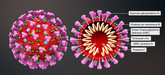
Since COVID-19, caused by SARS-CoV-2, emerged as a worldwide concern and was declared a pandemic, finding a safe and effective treatment for this disease has been a top priority. Different treatment candidates, including interferon [1], remdesevir [2], tocilizumab [3], and dexamethasone [4] have been investigated in multiple clinical trials.

Improving biosimilar use in clinical practice

Biosimilars/Research | Posted 26/02/2021

Uncertainty about biosimilars and lack of motivation among healthcare providers and patients to use them may have been curbing biosimilar use. Guidance on how to implement biosimilars in clinical practice and how to incentivize stakeholders to use biosimilars may help to realize the benefits offered by biosimilars for healthcare systems and patients.

Improving stakeholder understanding about biosimilars

Biosimilars/Research | Posted 19/02/2021

The arrival of biosimilars provides benefits for healthcare systems and patients by lowering treatment costs and improving patient access to biologicals. Despite these benefits and demonstrated comparability with the reference biological, the use of biosimilars varies across regions and remains limited in some cases. This may be partially due to a lack of knowledge and understanding among healthcare professionals and patients about biosimilars, limiting their willingness to use them.

Interchangeability, naming and pharmacovigilance of biosimilars

Biosimilars/Research | Posted 12/02/2021

Results of a survey was carried out by the World Health Organization (WHO) revealed that challenges still remain when it comes to the regulatory evaluation of biosimilars [1].

Improving the understanding of biosimilars through education

Biosimilars/Research | Posted 12/02/2021

The process of introducing biosimilars into clinical practice is complex and involves many stakeholders. There are different strategies that healthcare systems have adopted to incorporate biosimilars into patient care. Regulators, payers, pharmacists, and physicians need adequate knowledge in order to be effective components of this process. Previous research in the region has shown a high prevalence of lack of understanding and major safety concerns on the use of biosimilars [1].

Understanding and minimizing injection-site pain for biologicals

Biosimilars/Research | Posted 05/02/2021

Biologicals have revolutionized treatment across a range of immune and inflammatory-related diseases and have had considerable impact on the health economy. Switching to a biosimilar has proven to be an effective, safe and pharmacoeconomically advantageous strategy for health systems.

Clinical evidence for interchangeability of biosimilars in the US

Biosimilars/Research | Posted 29/01/2021

In the United States, the Food and Drug Administration (FDA) approval of a biosimilar is based on the ‘totality of the evidence’ from comparative analytical and functional assessments and comparative clinical (pharmacology, immunogenicity, safety and efficacy) assessments that support a conclusion of biosimilarity [1]. An approved biosimilar can also be designated as ‘interchangeable’ if it can be concluded that the biosimilar is expected to produce the ‘same clinical result as the reference product in any given patient’ and there is no increased risk in terms of safety or diminished efficacy associated with switching or alternating between the biosimilar and reference product (RP) [2]. With such designation, an interchangeable biosimilar could be substituted for its RP at the pharmacy level where state law allows [2].

How organizations worldwide are producing HTA reports for biosimilars

Biosimilars/Research | Posted 22/01/2021

The vital contribution of Health Technology Assessment (HTA) is well recognized and consolidated in scientific and technological practice; however, there is still no generally accepted position on its utilization in relation to biosimilars.

Influence of local policy measures and practices on biosimilar/originator market dynamics in Germany

Biosimilars/Research | Posted 15/01/2021

In Europe, the individual Member States are responsible for designing policies that regulate the market entry and use of pharmaceuticals. This decentralized approach has been found to contribute to variations in biosimilar uptake across countries, and even within countries, as was investigated for tumour necrosis factor-alfa (TNF-α) inhibitor biosimilars in Sweden [1, 2]. In Germany, biosimilar market shares are also known to vary at the regional level. This was studied by Blankart et al. for erythropoiesis-stimulating substances, filgrastim and somatropin, and variations in biosimilar market shares were partly attributed to the presence of explicit regional cost-control measures, such as quota regulations [3]. Differences in the uptake of biosimilars have also been described in Germany for the class of TNF-α inhibitors, although reasons behind this variable uptake have not been examined in detail [4].

Positive phase III results for sintilimab plus copy biological Byvasda

Biosimilars/Research | Posted 15/01/2021

Chinese biopharmaceutical firm Innovent Biologics (Innovent) announced on 23 November 2020 positive results for its copy bevacizumab biological Byvasda (IBI-305) in combination with sintilimab.

More national guidance needed on biosimilars in Europe

Biosimilars/Research | Posted 08/01/2021

A poster presented at the Virtual ISPOR (International Society for Pharmacoeconomics and Outcomes Research) 2020 conference outlines the importance of regulatory guidance on biosimilar medicines in Europe.

Phase I study comparing SB8 with reference bevacizumab

Biosimilars/Research | Posted 08/01/2021

SB8, developed by Samsung Bioepis, was approved as a biosimilar of the reference product Avastin (bevacizumab) by the European Commission in August 2020 with the brand name of Aybintio [1]. The objective of this phase I study was to compare the pharmacokinetics, safety, tolerability and immunogenicity between SB8 and the European Union (EU) and United States (US) reference products (bevacizumab-EU and bevacizumab-US).

Scientific, legal and regulatory challenges facing biosimilars development

Biosimilars/Research | Posted 11/12/2020

Abbreviated approval pathways for biosimilars – biological products that are highly similar to an originator biological with regard to quality, safety and efficacy [1, 2] – were created to foster competition and lower prices for biological treatments. However, these desired effects have not materialized as quickly as expected in either the US or the European Union.

Safety monitoring for immune-modulating biologicals

Biosimilars/Research | Posted 11/12/2020

A study of adverse events among patients with autoimmune disease identifies numerous cases of serious infection. The study also demonstrates the ability of the Biologics and Biosimilars Collective Intelligence Consortium (BBCIC) to function as a surveillance platform [1].

Real-world data on biosimilars in inflammatory arthritis treatment

Biosimilars/Research | Posted 04/12/2020

The use of biologicals in patients with rheumatic diseases has achieved the therapeutic target, i.e. remission or low disease activity. The share of biologicals has been growing with the approval of biosimilars, which have been recognized for their equivalent efficacy, safety, pharmacokinetics and immunogenicity to the originator, as well as their reduced economic burden.

Study reveals wide variation in US state drug product substitution laws

Biosimilars/Research | Posted 04/12/2020

A new study, published in JAMA Internal Medicine [1], has revealed substantial variation in the drug product substitution rules for pharmacists across states in the US. 

Asia Pacific countries: future demand for biosimilars

Biosimilars/Research | Posted 27/11/2020

The prevalence of chronic diseases like diabetes, cancer and rheumatoid arthritis have been increasing globally, resulting in an ever-growing need for biologicals that are affordable and accessible in the Asia Pacific countries (APAC). Biosimilars are ‘similar’ versions of approved and authorized biological medicines that are already on the market. They typically sell at discounts ranging from 20% to 35% when compared to the reference product [1]. It is expected that introduction of biosimilars into the global markets will erode the total sales of biologicals by as much as 54% through 2022 [2]. Various regulatory bodies such as the European Medicines Agency (EMA), the US Food and Drug Administration (FDA) and the World Health Organization (WHO) actively regulate development and commercialization of biosimilars.

Biopharmaceuticals and biosimilars: regulatory challenges for global harmonization of GMP standards

Biosimilars/Research | Posted 27/11/2020

A recent GaBI Journal [1] article by Sia et al. has explored biopharmaceutical good manufacturing practice (GMP) standards around the globe. The authors uncovered the challenges faced in attempting to achieve global harmonization of biopharmaceutical GMP standards.