Generics
GPhA comments on generics’ legislation and Trans-Pacific Partnership
Mr Ralph G Neas, President and CEO of the US Generic Pharmaceutical Association (GPhA), has commented on proposed legislation for generics in the US, as well as on provisions in the Trans-Pacific Partnership that he believes could impede access to medicines.

Canada’s generics are too expensive
The same generics cost more in Canada than they do in similarly developed countries. In response to this, the premiers of each Canadian province recently agreed to lower the price of six expensive generics (amlodipine, atorvastatin, omeprazole, rabeprazole, ramipril and venlafaxine), setting reimbursement prices at 18% of the originator’s price. But this will still leave Canada out of line with other countries, including New Zealand, the UK and the US, say researchers at the University of Ottawa, Ontario, Canada.
EU Member States suspend generics approvals due to problems at CRO
The European Medicines Agency (EMA) announced on 5 December 2014 that some Member States have decided to suspend the marketing authorizations of medicines that have been authorized on the basis of studies conducted at India-based contract research organization (CRO) GVK Biosciences (GVK Bio) Hyderabad site.

First celecoxib generics hit US market
On 10 December 2014, generics makers Actavis, Mylan and Teva Pharmaceutical Industries (Teva) announced that they had all launched celecoxib generics in the US.

Irish pharmacists’ perceptions and attitudes towards generics
In June 2013, new legislation came into effect in Ireland - the Health (Pricing and Supply of Medical Goods) Act 2013 - that introduced generics substitution and reference pricing for the first time in this market [1]. As a result of this new legislation, Irish patients have a greater likelihood of receiving a generic medicine in place of a brand-name prescription medication. As healthcare professionals’ perceptions of generics are likely to have an impact on the successful implementation of the objectives of this legislation, the aim of this study was to assess pharmacists’ opinions of, and attitudes towards, generics in Ireland [2].
Generics losing out to brand-name drugs in Croatia
A combination of weak national guidelines and powerful marketing by the pharmaceutical industry has led to a rise in brand-name over generics prescriptions for psychopharmaceuticals in Croatia.
FDA withdraws automatic substitution of two methylphenidate generics
The US Food and Drug Administration (FDA) announced on 13 November 2014 that it had withdrawn the bioequivalence rating for two generic versions of Janssen Pharmaceutica’s attention deficit hyperactivity disorder drug Concerta (methylphenidate). The agency took the action due to concerns that the drugs may not be therapeutically equivalent to the brand-name drug.

Investigation into huge price increases for generics in the US
Two US Congressmen have sent letters to 14 drug manufacturers, including several major Indian firms, requesting information about the escalating prices they have been charging for generics.

Cipla petitions Indian Government to revoke Onbrez patents
India-based generics maker Cipla has asked the Indian Government to revoke five patents held by Swiss firm Novartis for its respiratory drug Onbrez (indacaterol), after launching its own generic version of the drug.

Canada partially lifts import ban on Indian manufacturing sites
In an attempt to avert drug shortages, Canada’s federal department responsible for health, Health Canada, has partially lifted an import ban on products from three Indian manufacturing facilities that were banned from importing generics into the country due to quality violations.

FDA revokes Ranbaxy’s esomeprazole and valganciclovir ANDAs
India-based generics maker Ranbaxy Laboratories (Ranbaxy) announced on 6 November 2014 that the company had been informed by the US Food and Drug Administration (FDA) of the agency’s decision to revoke its approval for the company’s generic versions of AstraZeneca blockbuster acid-reflux drug Nexium (esomeprazole) and F. Hoffman-La Roche’s cytomegalovirus treatment Valycte (valganciclovir).

Mylan latest to recall blood pressure generics
US generics giant Mylan has become the latest in a line of generics companies that have faced recalls of the blood pressure medication metoprolol.

Changes to pharmaceutical policy during an economic recession
The use of antipsychotic medicines across Finland and Portugal following the recent economic recession have been analysed in order to gauge the impact of contrasting pharmaceutical policy interventions put in place over that time.
FDA names and shames firms for failing to pay generics fees
No less than 28 generics makers are currently on the US Food and Drug Administration’s (FDA) GDUFA (Generic Drug User Fee Amendments) Facility Arrears List for failing to pay generics fees for 2013 and 2014.

Generics firms carve their way to victory
US generics company Mylan has won a court battle over brand-name drugmaker Hospira, meaning it is now free to resume distribution of generic Precedex (dexmedetomidine injection).

Reference pricing and generics in Finland
Reference pricing and the extension of generics substitution have produced substantial savings in antipsychotic medication costs in Finland. The daily cost of treatment with clozapine, risperidone, olanzapine or quetiapine was cut by at least a third in just one year following the adoption of reference pricing for these drugs.
Canada bans imports from three API facilities in India
Just days after Canada’s federal department responsible for health was reported to be in talks with the US Food and Drug Administration (FDA) about Canadian generics maker Apotex, Health Canada has announced that it is to ban imports from two of Apotex’s facilities and from one site belonging to IPCA Laboratories in India.

Generics in Taiwan: urban–rural disparity
A study of the urban–rural disparity of prescribing generic versus brand-name drugs in Taiwan has found that the generics prescribing ratio of the most popular anti-hypertensive (high blood pressure) medicines is reversely associated with the level of urbanization [1].
Thirty years of generics in the US
On 24 September 2014, the US Food and Drug Administration (FDA) celebrated 30 years of generics in the US.

Actavis agrees to continue making Alzheimer’s drug for now
Actavis has agreed to keep selling a top Alzheimer’s disease drug for 60 days so US patients will not be forced to switch to a newer, more expensive form of the drug.
European initiatives to enhance losartan utilization post generics: impact and implications
Health authorities have the opportunity to realize considerable savings from generics. A wide variety of strategies were instigated across Europe to encourage prescribing of losartan once generics became available with all angiotensin receptor blockers (ARBs) – which are used to treat high blood pressure and heart failure – seen as essentially similar at appropriate doses [1, 2]. These ranged from 100% co-payment for single-sourced ARBs in Denmark to removing prescribing restrictions for losartan but not for single-sourced ARBs (Austria and Belgium), to prescribing targets and therapeutic switching programmes in Sweden [3]. However, some authorities instigated no specific measures, e.g. Ireland, Scotland and Spain (Catalonia) [3, 4], providing an opportunity to assess the effectiveness of different measures.

New indication for old generic combination drug
US biopharmaceutical company Avanir Pharmaceuticals has announced positive results from a phase II clinical trial of a generic combination drug for the treatment of agitation in patients with Alzheimer’s disease. The same combination is already approved for a different neurological disorder, and other indications are being investigated.

The ethics of generic immunosuppressive drugs
A literature review of generic immunosuppressive drugs (ISDs) in renal transplant patients concludes that it is ethical to prescribe generic ISDs provided regulatory safeguards are met. Alongside these safeguards, it will be essential to educate patients and to carry out further clinical and health economic studies to inform clinicians, patients and society of the risks and costs of drug substitution [1].

Phase III trials for generic asthma inhaler and insulin glargine
Generics giant Mylan is set to embark on phase III clinical trials of its generic fluticasone/salmeterol inhaler for asthma patients.

Generics taskforce for Australia
Australia’s Generic Medicines Industry Association (GMiA), which represents companies that manufacture, supply and export generics, has called on the country’s Minister for Industry to convene a Medicine Manufacturing Taskforce.
FDA approvals for generic AIDs and testosterone drugs
The US Food and Drug Administration (FDA) has approved generic versions of drugs to treat appetite loss in AIDs patients and a testosterone gel treatment for men.

Generics applications under review by EMA – August 2014
Generic medicines in Europe can be approved either centrally via the European Medicines Agency (EMA) or nationally via the local regulatory body [1]. Approval by EMA takes place by using a centralized procedure. This leads to approval of the product in all 28 European Union (EU) Member States and in Iceland, Liechtenstein, and Norway. At a country level, if approval in a single EU Member State only is required, this can take place using the national procedure. However, as soon as a company seeks approval in two or more Member States, a decentralized procedure or mutual recognition procedure must be used [2].
Pharma’s future in China and the US
Although generics will increase their share of all prescriptions in China and the US over the next 10 years, economic and structural incentives for new drug invention and brand-name prescribing by physicians will keep the share of patented drug sales high compared with countries that have more direct government control over the pharmaceutical market [1].
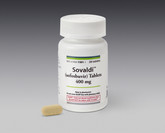
Generic hepatitis drug to be made available to 80 countries
Originator pharma company Gilead Sciences (Gilead) is reportedly close to reaching a deal with generics makers to bring low cost versions of its hepatitis C drug Sovaldi (sofosbuvir) to about 80 developing countries including India, Indonesia, and Pakistan, as well as Egypt, Mongolia, South Africa, and Vietnam.
Teva wins another Symbicort patent challenge
Teva Pharmaceutical Industries (Teva) has gained another win in its campaign to launch a generic version of AstraZeneca’s asthma and chronic obstructive pulmonary disorder (COPD) treatment Symbicort (formoterol/budesonide) in Europe.
Appropriate generics pricing improves medicines availability in Sri Lanka
The wide availability of generics across Sri Lanka, in both private and semi-government community pharmacies, is increasing the availability and affordability of essential medicines for non-communicable diseases (NCDs) in the country.
Generics companies sue Reckitt Benckisser over generics supplies
Three generics companies are suing Reckitt Benckisser (Reckitt) for failing to provide generics supplies of its cold and flu medicine Mucinex (guaifenesin) in line with an agreement struck in 2007.
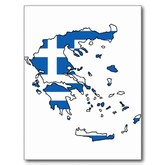
Value of generics overlooked in one country that needs them most: Greece
A study of physicians’ prescribing patterns and perceptions towards generics in Greece has revealed a clear need for an appropriate regulatory framework and organized generic drug industry in the country.

Lawyers look at new price hike for old drug
Two generic drug companies are being investigated by the Connecticut Attorney General’s office following reports of alarming price hikes for the heart medicine digoxin. Possible price fixing by Impax Laboratories (Impax) and Lannet, which manufacture digoxin, is being investigated.
US court puts generic Gralise on hold
US specialty drugmaker Depomed has received a favourable preliminary verdict in its case against generics manufacturer Actavis, which had applied to market a generic version of Depomed’s treatment for neuropathic pain, Gralise (gabapentin).
Trends in the financial burden of diabetes treatment
The number of adults diagnosed with diabetes in the US increased 75% between 2000 and 2010, resulting in 9% of the adult population with diabetes. The cost of health care for people with diabetes is over twice that of the population overall (2.3 times higher), partly as a result of complications associated with diabetes, including heart disease and stroke. Understanding trends in healthcare costs for this vulnerable and growing patient group will be key to disease management in the future.

Generics manufacturers focus on MS drug Ampyra
Following news that Acorda Therapeutics (Acorda) was preparing to defend its intellectual property rights against a competitor’s application to the US Food and Drug Administration (FDA) to manufacture a generic version of its multiple sclerosis drug Ampyra (dalfampridine), Acorda is now facing at least six additional generics challenges.

Ranbaxy’s manufacturing woes benefit big pharma
Import bans by the US Food and Drug Administration (FDA) on generics from four of Ranbaxy Laboratories’ (Ranbaxy) manufacturing sites have prevented the company from launching new generics, allowing brand-name manufacturers to benefit from their extended monopolies.

Right of appeal provision in CETA
The Comprehensive Economic and Trade Agreement (CETA) between the European Union (EU) and Canada has the potential to have a negative affect on the generics industry in Canada [1], with certain provisions being seen as causing the most harm.
Recalls call into question metoprolol generics
Recent recalls have vindicated a cardiologist’s warnings about generic versions of a widely used heart drug, Toprol XL (metoprolol).

Actavis submits generic dalfampridine ANDA
Acorda Therapeutics (Acorda), announced on 26 June 2014 that it had received a Paragraph IV Certification Notice Letter advising the company that Actavis Laboratories (Actavis) had submitted an abbreviated new drug application (ANDA) to the US Food and Drug Administration (FDA) for the approval of a generic version of the company’s multiple sclerosis drug, Ampyra (dalfampridine).
Data protection provisions in CETA
The trade agreement between the European Union (EU) and Canada has the potential to have a negative affect on the generics industry in Canada [1]. In particular, certain intellectual property provisions are seen as the main culprits.
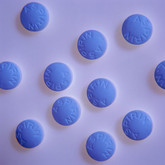
Generic valsartan approved in US
India’s largest generics maker Ranbaxy Laboratories announced on 27 June 2014 that its subsidiary, US-based Ohm Laboratories (Ohm), had received approval from the US Food and Drug Administration (FDA) for generic valsartan.
India planning to extend pricing control to more drugs
India is thought likely to increase the number of drugs it considers ‘essential’ and therefore for which it controls the maximum retail price in the country.

Patent term restoration provisions in CETA
Some of the provisions included in the Comprehensive Economic and Trade Agreement (CETA) between the European Union (EU) and Canada are seen as having the potential to have a negative affect on the generics industry in Canada [1].

Teva settles patent litigation over ProAir HFA
The world’s biggest generics maker, Teva Pharmaceutical Industries (Teva), announced on 20 June 2014 that it had reached a settlement with Perrigo Pharmaceutical (Perrigo) and Catalent Pharma Solutions (Catalent) with respect to Teva’s respiratory product ProAir HFA (albuterol sulfate).

Influence of CETA on generics
On 18 October 2013, the European Union (EU) and Canada reached a political agreement on the key elements for a Comprehensive Economic and Trade Agreement (CETA). However, CETA has been criticized for the fact that it affects intellectual property rights in Canada, but not the EU. Some of the provisions included in the agreement are seen as having the potential to have a negative affect on the generics industry in Canada.

Factors influencing use of generic asthma drugs in Morocco
Despite the introduction of methods to promote the use of generics, use of generic anti-asthmatic drugs remains limited in Morocco. The Moroccan market therefore remains largely dominated by patent-protected originator drugs [1].

Actavis settles Nuvigil patent litigation, challenges Onglyza patent
US generics major Actavis has settled patent litigation related to Actavis’ generic version of Nuvigil (armodafinil) and confirmed its generic Onglyza (saxagliptin) patent challenge.
Promoting generics prescribing in the UK
Possible ways to encourage more prescribing of generics in the UK include financial incentives with educational intervention and audit/feedback, according to a review of data on prescribing behaviour [1].

European regulators give green light to Ranbaxy plant
In what comes as good news for generics maker Ranbaxy, European Regulators have cleared the company’s Toansa plant.
First generic celecoxib approved by FDA
The US Food and Drug Administration (FDA) announced on 30 May 2014 that it had approved the first generic versions of celecoxib capsules.

Impact of price cuts on spending on hyperlipidaemic drugs in South Korea
Rapidly increasing pharmaceutical expenditures have become a constant challenge to the sustainability of healthcare systems across countries including Korea.
Sun Pharma’s Gujarat site under FDA import alert
Sun Pharmaceutical Industries’ (Sun Pharma) response to the US import ban on products produced at the company’s Gujarat site is inadequate, according to a warning letter issued by the US Food and Drug Administration (FDA) on 7 May 2014.

Generic atypical antipsychotic drugs in Belgium
Health authorities are continually looking to increase the utilization of low cost generics to save considerable monies without compromising care, given the ever increasing pressure on available resources. Pressures are driven by ageing populations, the continual launch of new premium-priced drugs and stricter clinical management targets. The quest is enhanced by the number of standard drugs losing their patents in recent years.
FDA’s faster approval of generics to benefit Indian drugmakers
Indian generics makers are set to benefit from performance goals set by the US Food and Drug Administration (FDA) as part of the Generic Drug User Fee Amendments of 2012 (GDUFA).

Novartis settles Gleevec lawsuit with Sun Pharma
Sun Pharmaceutical Industries (Sun Pharma) announced on 15 May 2014 that it had reached a settlement agreement with originator drug developer Novartis over litigation concerning generic Gleevec (imatinib mesylate).

Impact of delisting ARBs in Denmark
Health authorities are looking to increase the utilization of low cost generics to save considerable resources without compromising care. This includes Denmark [1].
Natco tries to block hepatitis C patent in India
Indian generics maker Natco Pharma (Natco) has asked the Indian patent office not to issue a patent for US-based Gilead Sciences (Gilead) new hepatitis C drug Sovaldi (sofosbuvir).
Pharmacists’ attitudes towards generics in Czech Republic
A study carried out in the Czech Republic found that whether pharmacists routinely carried out generics substitution depended on their familiarity with the relevant legislation and their attitude towards generics substitution [1].

Blood pressure generics to be included in FDA’s testing plans
The US Food and Drug Administration (FDA) is planning an extensive study of blood-pressure drugs after receiving thousands of complaints from doctors and patients.
Generics applications under review by EMA – April 2014
Generic medicines in Europe can be approved either centrally via the European Medicines Agency (EMA) or nationally via the local regulatory body [1]. Approval by EMA takes place by using a centralized procedure. This leads to approval of the product in all 28 European Union (EU) Member States and in Iceland, Liechtenstein and Norway. At a country level, if approval in a single EU Member State only is required, this can take place using the national procedure. However, as soon as a company seeks approval in two or more Member States, a decentralized procedure or mutual recognition procedure must be used [2].
FDA sued over generic celecoxib approval
Generics makers Actavis and Mylan Pharmaceuticals (Mylan) have sued the US Food and Drug Administration (FDA) over the agency’s decision to award exclusive rights to Teva Pharmaceutical Industries (Teva) to sell a generic version of Pfizer’s blockbuster anti-inflammatory painkiller Celebrex (celecoxib).

Attitudes towards generics in Turkey
Prescribers, pharmacists and patients in Turkey lack knowledge about generics. They may also be misinformed about generics, which can cause hesitation about the use of these drugs, according to Toklu and co-authors from the University of Istanbul, Turkey [1].
UK launches generic medicines forum
The UK’s drug regulatory agency, the Medicines and Healthcare products Regulatory Agency (MHRA) and the British Generic Manufacturers Association (BGMA) announced on 16 April 2014 the launch of a new forum to promote the manufacturing quality of generics.

Free samples increase use of branded drugs
The practice of giving free samples to physicians to give out to their patients increases the use of brand-name drugs, according to research published in JAMA Dermatology [1].
FDA defends generics labelling proposal
The US Food and Drug Administration’s (FDA) Director of the Center for Drug Evaluation and Research, Dr Janet Woodcock, testified before the Subcommittee on Health, Committee on Energy and Commerce of the US House of Representatives on 1 April 2014, to discuss FDA’s proposed labelling rule for generics.

Positive impact of a value-based approach to health care
A study into the use of value-based benefit design (VBBD) for members of an employee health benefits programme demonstrated that such a programme can have a positive impact on adherence and cost outcomes [1].

Results of clinical trials in Europe to be made publicly available
It will soon be the law in Europe for all clinical drug trials to be registered and the results reported on a publicly-accessible database. Members of the European Parliament (MEPs) voted on 2 April 2014 by a huge majority to adopt the Clinical Trials Regulation, 547 in favour, 17 against and 13 abstaining.
FDA discredits study claiming foreign generics tainted
Research suggesting that foreign generics are inferior to US generics has been discredited by the FDA’s Center for Drug Evaluation and Research Director Dr Janet Woodcock.
Taiwan TWi gains FDA approval for generic nifedipine
Taiwan’s TWi Pharmaceuticals (TWi) announced on 7 April 2014 the approval of its abbreviated new drug application (ANDA) for generic nifedipine by the US Food and Drug Administration (FDA).

Prescribers, pharmacists and patients in Turkey believe generics differ from originators
A study carried out by Toklu and co-authors from the University of Istanbul, Turkey, has shown that many prescribers, pharmacists and patients in Turkey believe that generics differ from their originators [1].
Dr Reddy’s launches generic amlodipine/atorvastatin
Indian generics giant Dr Reddy’s announced on 27 March 2014 the launch of its generic amlodipine/atorvastatin tablets in the US.
The non-financial benefits of generics substitution
Switching between different generic brands of metformin is a good cost-effective approach that does not adversely affect the quality of care for patients with type 2 diabetes, according to the results of a retrospective study in Taiwan.

EGA calls for removal of competition and trade barriers for generics
The European Generic medicines Association (EGA) is calling on the EU to remove barriers to competition and free trade by introducing common sense reforms to European pharmaceutical intellectual property rules.

Celecoxib generics could come sooner than expected
Pharma giant Pfizer confirmed on 12 March 2014 that the United States District Court for East Virginia had invalidated its reissue patent covering methods of treating osteoarthritis and other approved conditions with celecoxib, the active ingredient in its blockbuster anti-inflammatory painkiller Celebrex.

FDA increases oversight of drug safety in India
The US Food and Drug Administration (FDA) has created an Office of Pharmaceutical Quality in response to quality concerns at home and abroad, particularly surrounding generic medicines from several Indian manufacturing plants [1].
Indian generics makers face US recalls
Indian generics makers are once again coming under US Food and Drug Administration (FDA) scrutiny.

Generics contribution to availability of essential medicines
The creation of Essential Medicines Lists (EMLs) within country healthcare systems is promoted by the World Health Organization (WHO) in order to improve the availability and use of medicines considered essential.
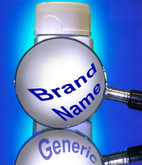
Brand-name drugs also cut healthcare costs
Generics are often given all the praise when it comes to cutting costs for patients and payers, but, according to a piece in Forbes, brand-name drugs also cut healthcare costs.


