Generics

Allergan allows Amneal to market Alzheimer’s generic in 2025
Allergan has reached a deal with Amneal Pharmaceuticals (Amneal) over Allergan’s Alzheimer’s drug Namzaric. The agreement will enable Amneal to market generic versions of the drug from 2025 onwards.
South Africa’s expedited registration policy not speeding up access to biosimilars
Since South Africa’s National Department of Health (DoH) implemented a fast-track registration policy in 2003 the large number of generics applications has led to a backlog in approvals [1]. This has led to concern that this backlog is having a detrimental effect on patient access to critical pharmaceutical medicines and in particular biosimilars [2].

Patent wins and losses for Teva
Teva Pharmaceutical Industries (Teva) – the world’s largest generics manufacturer – has reported a string of patent updates recently. In the first of Teva’s patent-related news, Forest Laboratories (Forest) – an American pharmaceutical company acquired by Actavis [1] – made a deal with Teva regarding a patent licensed to them and held by Mayne Pharma (an Australian specialty injectables company now owned by Pfizer).

Generics applications under review by EMA – August 2016
Generic medicines in Europe can be approved either centrally via the European Medicines Agency (EMA) or nationally via the local regulatory body [1]. Approval by EMA takes place by using a centralized procedure. This leads to approval of the product in all 28 European Union (EU) Member States and in Iceland, Liechtenstein and Norway. At a country level, if approval in a single EU Member State only is required, this can take place using the national procedure. However, as soon as a company seeks approval in two or more Member States, a decentralized procedure or mutual recognition procedure must be used [2].

South Africa’s expedited registration policy for rapid access to critical medicines under threat by generics
In 2003, the National Department of Health (DoH) of South Africa implemented a fast-track registration policy, not only for new chemical entities (NCEs) considered essential for national health and which may not be on the Essential Medicines List (EML) of South Africa, but also for all medicines on the EML, the majority of which are generics [1].

Driving down drug prices: how regulators can influence affordability
In recent years there has been increasing global concern over drug prices and their affordability. And what is the role played by regulators in drug pricing? This is the subject of discussion in a recent paper co-authored by the European Medicines Agency’s (EMA) Executive Director Guido Rasi, its Senior Medical Officer Hans-Georg Eichler, the Executive Director of Dutch Medicines Evaluation Board Hugo Hurts, and the President of the German Federal Institute for Drugs and Medical Devices Karl Broich [1]. Although the price of medicines is not within the regulatory remit, the authors find this an inescapable subject for debate and they outline possible regulatory interventions that could drive down drug prices.
Indian generics manufacturer Lupin buys 21 brands from Japan’s Shionogi
India’s third biggest drug producer Lupin Ltd (Lupin) has announced that it will purchase 21 generic medicine brands from Japanese company Shionogi & Co Ltd (Shionogi) for a total of US$150 million, bolstering its position in the large Japanese pharmaceutical market.

Senators continue to raise concerns over price of Mylan’s EpiPen
On 30 August 2016, a group of 20 US senators led by democrat Elizabeth Warren sent a letter to Mylan’s CEO Heather Bresch expressing their ‘serious concerns’ about the company’s recent significant price hikes for the life-saving EpiPen Auto-Injector.
Generics in seizure control
Are generic medicines for the control of epileptic seizures bioequivalent to their brand-name counterparts? Steven Karceski [1] has recently reviewed a study carried out by researchers at the Johns Hopkins University School of Medicine, Baltimore, MD, USA in which they determine the bioequivalence of generic seizure control medications [2].

New generic versions of imatinib mesylate join the US market
Two new generic versions of Novartis’ imatinib mesylate (marketed as Gleevec® and Glivec®) were launched in the US in early August 2016.
EMA halts sales of unreliable generics
The European Medicines Agency (EMA) has recommended that the sales of several generics, including those produced by Teva and Novartis, be suspended after data on their approval was found to be unreliable.

Launches, approvals and court cases for Sun Pharma
India’s largest drug manufacturer Sun Pharmaceutical Industries (Sun Pharma) has launched ready-to-administer anticancer drug gemcitabine in six European countries and gained approval for a generic version of prescription cholesterol medicine Crestor, while also facing legal action from protesting employees.

FDA approves first generic nilutamide for treatment of prostate cancer
US generics producer ANI Pharmaceuticals (ANI) announced on 18 July 2016 that it had received US Food and Drug Administration (FDA) approval for its generic version of prostate cancer treatment Nilandron (nilutamide).
The satisfaction of healthcare payers, patients and physicians with generic imatinib
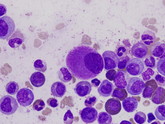
With the begining of the era of tyrosine kinase inhibitors (TKIs), chronic myeloid leukaemia (CML) became a chronic disease, in which good responding patients usually have a life expectancy similar to the age- and sex-matched normal population [1]. In many countries, the first-line treatment of chronic phase CML is imatinib mesylate (IM). Whereas, especially in some developed countries, second generation TKIs (dasatinib, nilotinib) which have deeper and faster responses, but are also more expensive than IM, are utilized in the upfront setting. The introduction of TKIs increased the prevalence of CML, and optimal responders to IM should continue therapy indefinitely, so the originator TKI treatment (Gleevec) surely put a strain on healthcare providers even in developed countries.
Extortionate increases in prices of 32 drugs a result of loophole in NHS pricing structure
An investigation by The Times has exposed a small group of UK-based entrepreneurs to have profited vast amounts of money from hiking up the costs of 32 medicines for common conditions by GBP 262 million a year, a 12,500% increase.

Ways to reduce drug costs in Australia
Drug costs in Australia are increasing at an alarming rate. This is driven mainly by expensive biological therapies, antiviral therapies for HIV and hepatitis C and new cancer treatments.

AES position statement on substitution of generic anti-epileptics
A paper by the American Epilepsy Society (AES) discusses how the society’s position on generics substitution of anti-epileptic drugs has changed according to the results of bioequivalence studies [1].

Healthcare alliance proposes ways to reduce drug costs in the US
Recent price increases in the US have prompted an alliance of doctors, pharmacists and health plan groups to release a document that outlines 12 policy proposals that it hopes will provide the framework for a major debate in Congress.

Reasons for the success of a generics company in the Sudan market
An exploratory, qualitative study carried out by colleagues from the University of Khartoum (Sudan) and Abertay University (UK) examined the reasons behind the success of a generics company that has been the market leader in Sudan for a decade from the perspective of employees and customers [1].
Glenmark gains approval for anti-epileptic generic
Indian generics maker Glenmark Pharmaceuticals (Glenmark) announced on 19 May 2016 that it had received final approval from the US Food and Drug administration (FDA) for a generic version of Eisai’s epilepsy treatment Banzel (rufinamide).

Pharmacists prefer generic OTC medicines
In the US, the use of generics has been lacking due to hesitation from consumers over whether generics are as safe and effective as brand-name medications. Pharmacists, on the other hand, have the education and training to know that generics are both safe and effective.
China cuts prices for three drugs by more than 50%
In an effort to lower spending on prescription drugs, China has cut the prices for three patent-protected drugs by more than 50%.
Dr Reddy’s to buy US generics from Teva
Generics giant Dr Reddy’s Laboratories (Dr Reddy’s) announced on 11 June 2016 that it had made a deal with Teva Pharmaceutical Industries (Teva) and an affiliate of Allergan to acquire a portfolio of eight abbreviated new drug applications (ANDAs) in the US.

Switching between generics of anti-epileptic drugs
Two different generic versions of anti-epilepsy medicine lamotrigine have been shown to be bioequivalent in patients with epilepsy and to not cause any differences in seizure frequency or adverse events, according to a study published in the February 2016 online edition of The Lancet Neurology.

Dr Reddy’s buys six OTC brands from Ducere Pharma
Generics giant Dr Reddy’s Laboratories (Dr Reddy’s) has entered the US branded consumer health products market by acquiring six over-the-counter (OTC) brands from US-based Ducere Pharma.

Cost-effectiveness analysis and incentivizing innovation
In the paper by Santiago Moreno and Joshua Ray, the controversial role that conventional cost-effectiveness analysis (CEA) plays in incentivizing innovation is revealed [1]. Detractors criticize its use for pricing purposes because it disregards the value of innovation brought by new drugs, while supporters argue that it is already accounted for. The objective of the paper is to identify the limitations of the conventional CEA approach and to propose an alternative that offers a more realistic estimate of the true value of innovation.
GSK appeals UK pay-for-delay fine
GlaxoSmithKline (GSK) is appealing a GBP 37.6 million fine from the UK’s Competition and Markets Authority (CMA) over pay-for-delay allegations.

Perceptions of the value of generics in Brazil
Generics were first approved in Brazil in 1999. Substitution of generics and reference drugs can occur at the time of purchase and upon patients’ request, and, in the public healthcare system, physicians must prescribe drugs by their Brazilian Common Denomination (Denominação Comum Brasileira – DCB). However, despite legislation that supports their prescription, generics still have a small market share, representing only 27.3% of all drug units sold in Brazil in January 2014. A potential reason for the low penetration of generics into the Brazilian market is a negative perception of the value of generics.

Australian generics maker opens clinical trials facility
IDT Australia announced on 2 May 2016 that it had opened a new clinical trials facility in Adelaide.

Perceptions of the substitution of generics
Pharmacists are mostly positive about the substitution of generics for brand-name drugs, according to a study analysing negative perceptions about generics, carried out by researchers from New Zealand and the US [1].
Generics applications under review by EMA – April 2016
Generic medicines in Europe can be approved either centrally via the European Medicines Agency (EMA) or nationally via the local regulatory body [1]. Approval by EMA takes place by using a centralized procedure. This leads to approval of the product in all 28 European Union (EU) Member States and in Iceland, Liechtenstein and Norway. At a country level, if approval in a single EU Member State only is required, this can take place using the national procedure. However, as soon as a company seeks approval in two or more Member States, a decentralized procedure or mutual recognition procedure must be used [2].
FDA approves first generic rosuvastatin
The US Food and Drug Administration (FDA) announced on 29 April 2016 that it had approved the country’s first generic version of Astra Zeneca’s leading cholesterol drug Crestor (rosuvastatin).
Perceptions of the safety and side effects of generics
A quarter of doctors believe that generics are less safe and cause more side effects than brand-name drugs, according to a study carried out by researchers from New Zealand and the US [1].
FDA approves highest number of generics in 2015
The US Food and Drug Administration (FDA) approved more than 700 generics in 2015, more than in any previous year, according to the annual report from the agency’s Office of Generic Drugs (OGD).
Perceptions of the effectiveness and quality of generics
More than a quarter of doctors and the general public believe that generics are less effective and of poorer quality than brand-name drugs, according to a study carried out by researchers from New Zealand and the US [1].

India’s bulk drug exports on the increase
Driven by exports to both regulated and semi-regulated markets, India’s bulk drug exports are likely to grow at a compound annual growth rate (CAGR) of 12–14% up to 2018–2019, according to a recent study.
Generics perceptions in patients, pharmacists and doctors
A significant proportion of the general public, pharmacists and doctors have negative perceptions about generics, according to a study carried out by researchers from New Zealand and the US [1].
Sun Pharma to buy 14 drug brands from Novartis in Japan
A wholly owned subsidiary of India’s Sun Pharmaceutical Industries (Sun Pharma) will acquire a portfolio of 14 established prescription brands from Novartis and Novartis Pharma in Japan for a sum of US$293 million. This will give Sun Pharma a strong foothold in Japan, the world’s second largest market after the US.
Substitution of generic antiepileptic drugs
Despite the availability of generic antiepileptic drugs (AEDs), patients and neurologists still hesitate to make a switch due to several reasons.
Apotex launches generic of nasal allergy treatment
On 24 March 2016, Canada-based Apotex announced that it had launched mometasone furoate monohydrate nasal spray in the US, the first generic version of Merck’s Nasonex. Mometasone furoate monohydrate is a once-daily anti-allergen indicated for the treatment of nasal congestion for adults and children over two years.
Teva launches generic acamprosate in US
Israeli generics giant Teva Pharmaceutical Industries (Teva) announced on 22 March 2016 that it had launched a generic version of alcohol dependence treatment Campral (acamprosate).
Impact of South Korea’s new drug–pricing policy on market competition
In April 2012, the Korean Government implemented a new policy to try and make its multiple sourced (off-patent) market more competitive. Their objective was to lower the price of generics through increased competition. The government in this way also aimed to reduce the costs for both patients [who have typically a 30% co-payment in ambulatory care (20% in hospitals)] and the National Health Insurance. The core of the policy was to establish the same maximum reimbursement price, i.e. the same ceiling price, for both the originator (brand-name) and the generic drug. This was expected to make the market more competitive, with generics manufacturers competing with each other to gain market share by lowering their prices. However, other professionals argued that this policy would still favour originators, given the general belief that an originator medicine, which is often from an international pharmaceutical company, would be better quality.
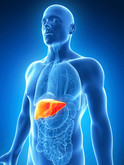
Costs and prices of entecavir to treat Hepatitis B
In an analysis of the costs and target prices of Hepatitis B treatment entecavir, author Andrew Hill from Liverpool University, UK and colleagues from Imperial College London, UK and Howard University, Washington DC, USA investigated how use of generics is affecting the cost of Hepatitis B treatment around the world [1].
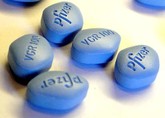
FDA approves Teva’s Viagra generic
Israeli generics giant Teva Pharmaceuticals (Teva) has received US Food and Drug Administration (FDA) approval for its generic version of Pfizer’s blockbuster erectile dysfunction drug Viagra (sildenafil), which is also called Revatio in the US.
Lupin and Gavis to divest generics to appease US FTC
Lupin Pharmaceuticals (Lupin) and Gavis Pharmaceuticals (Gavis) have reportedly agreed to sell two generics in order to finalize Lupin’s acquisition of Gavis.
Is India ready to use only generics?
This editorial provides a balanced and neutral perspective of the debate regarding use of brand-name versus generic medicines, from an Indian endocrine point of view. It helps stakeholders arrive at appropriate decisions, using a process of informed and shared decision-making [1].

FDA lifts import ban on Chinese API to prevent shortages
The US Food and Drug Administration (FDA) has lifted its ban on one of the active pharmaceutical ingredients (APIs) from China-based Zhejiang Hisun Pharmaceutical (Hisun) due to a ‘critical drug shortage concern’.
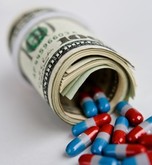
Hilary Clinton goes after Valeant for ‘predatory pricing’
Presidential candidate Hilary Clinton has said in a new advertisement that she is ‘going after’ drugmaker Valeant Pharmaceuticals (Valeant) for its ‘predatory pricing’.
Perception and knowledge of generics in Portugal
Patients in Portugal are misinformed about generics, according to researchers from the Bragança Polytechnic Institute [1].
Biocon gets first European generics approval
India-based biologicals specialist Biocon announced on 15 February 2016 that it had received its first European generics approval for a generic version of Astra Zeneca’s blockbuster anti-cholesterol drug Crestor (rosuvastatin).

Medicines Patent Pool signs first sub-licences for HCV med daclatasvir
The Medicines Patent Pool (MPP) announced on 20 January 2016 the signing of its first sub-licences for generics of Bristol-Myers Squibb’s hepatitis C medicine Daklinza (daclatasvir).
Combating shortages and price increases in the US generics market
As a result of recent price increases and shortages, the US generics market has come under increasing scrutiny [1]. In a recent report by Wiske et al. authors from Brown, Duke and Harvard Universities discussed ways to increase the competitiveness of the US generics market that might address these problems [2].
Sun Pharma launches imatinib mesylate in the US
On 1 February 2016, Sun Pharmaceutical Industries (Sun Pharma) launched imatinib mesylate in the US, a generic version of Gleevec (imatinib mesylate) developed by Novartis. Sun Pharma received final approval for imatinib mesylate from the US Food and Drug Administration (FDA) in December 2015, and was granted 180 days of marketing exclusivity from the time of its launch.
Measures to increase generics use in Greece
Austerity has forced Greece to introduce a number of measures to reduce the amount it spends on healthcare. But how have measures aimed at increasing generics use in the country been perceived by stakeholders? This was a question Karampali and co-authors from the National School of Public Health, Athens, Greece tried to answer [1].

European generics and biosimilars makers adopt disclosure rules
The European Generic and Biosimilar Medicines Association (EGA) has published disclosure rules for the generic, biosimilar and value added medicines industry. This builds on the EGA Code of Conduct adopted in 2015.
UK paves way for generics of Eli Lilly’s Alimta
The UK High Court ruled on 12 February 2016 that Eli Lilly’s vitamin regimen patent for its lung cancer blockbuster Alimta (pemetrexed disodium) is not infringed by a generic version of the drug sold by Allergan’s Actavis unit.

Consumer choice between generic and brand-name medicines in a small generics market
Background
Generics offer an opportunity to governments to contain pharmaceutical expenditures, as they are generally 10‒80% lower in price than the originator brand-name medicines. Belgium has a small generics market, which takes up 15% of the total pharmaceutical market (in packages sold).

Mylan launches generic seizure drug in US
US generics manufacturer Mylan announced on 19 January 2016 that it had launched a generic version of Meda Pharms’ Felbatol (felbamate) tablets in dosages of 400 and 600 mg in the US.
Generics applications under review by EMA – December 2015
Generic medicines in Europe can be approved either centrally via the European Medicines Agency (EMA) or nationally via the local regulatory body [1]. Approval by EMA takes place by using a centralized procedure. This leads to approval of the product in all 28 European Union (EU) Member States and in Iceland, Liechtenstein and Norway. At a country level, if approval in a single EU Member State only is required, this can take place using the national procedure. However, as soon as a company seeks approval in two or more Member States, a decentralized procedure or mutual recognition procedure must be used [2].

Celgene settles Revlimid patent litigation with Natco Pharma
Celgene Corporation (Celgene) is to provide India-based Natco Pharma and its US partner, Arrow International – a unit of Allergan – the license to manufacture and market generic Revlimid (lenalidomide) in the US from 31 January 2026, following expiration of patents in the US in April 2017. This will expedite generics competition for the drug, which currently makes up 60% of Celgene’s annual revenue.
Pharmacists’ attitudes towards domestic generics in Afghanistan
The aim of the study by Hassali et al. was to survey community pharmacists regarding their attitudes about the quality and price of locally manufactured medicines [1].

FDA approval for generic antibiotic and arrhythmia drugs
Indian generics maker Glenmark Pharmaceuticals (Glenmark) has gained approval for a generic antibiotic, linezolid, and tentative approval for its generic arrhythmia drug dronedarone.
Paediatric use of low-cost generic programs in the US
Low-cost generic drug programs (LCGPs) in the US increase the affordability of prescription medication that can treat many common paediatric conditions. LCGPs are a loss-leader pricing strategy used by eight of the top 10 pharmacy chains, e.g. Walmart, Walgreens, RiteAid, providing generics at co-payments of US$4‒5 for 30-day supplies or US$10‒12 for 90-day supplies. By using these programmes, no information is submitted through an individual’s prescription medication insurance benefit; thus, medication use data can be missing from administrative claims data. This phenomenon has implications for safety surveillance, quality measurement of health plans, and for researchers utilizing these data.
Roche and India's Glenmark reach truce over generic Tarceva
The Swiss pharmaceutical company F. Hoffmann-La-Roche AG (Roche) has reached an out-of-court settlement with Indian generics company Glenmark Pharmaceuticals (Glenmark) over its patent for its lung cancer drug Tarceva (erlotinib hydrochloride).

Physicians’ and pharmacists’ perspectives on generics use
The review study of Toverud et al. shows that both physicians and pharmacists have acknowledged strategies for generics use as an attempt to curtail increasing drug expenditures [1]. However, in Northern Europe and in the US health professionals were confident about the generics available, whereas in countries with less mature healthcare systems there were concerns about the manufacturing sources of generics and the companies’ trustworthiness. A general marked variation was also found regarding control routines and bioequivalence requirements between countries with mature healthcare systems and those with developing ones.
Doctors in the US should remember to prescribe generics
According to the findings of a literature review carried out by the American College of Physicians (ACP) the major obstacle to increased use of generics in the US is patient and provider perceptions.
Use of generics in cardiovascular diseases
Researchers from Italy and the US carried out a meta-analysis with the aim of comparing the efficacy and adverse events, either serious or mild/moderate, of all generic versus brand-name cardiovascular medicines [1].
Cipla, Glenmark, Sun Pharma bidding for Teva–Allergan generics in the US
Indian generics makers Cipla, Glenmark Pharmaceuticals (Glenmark) and Sun Pharmaceutical Industries (Sun Pharma) are reportedly bidding for a portfolio of US generics from Teva Pharmaceutical Industries (Teva).

Pharmaceutical pricing and reimbursement policies
A recurrent challenge in health policy is to ensure equitable access to safe and effective medicines. In recent years, access to medicines, in particular to high-cost medicines, has become a major challenge for payers in all countries including high-income economies. Factors that challenge the financial sustainability of publicly funded health and pharmaceutical systems include demographic and epidemiological developments, a tightening of public health budgets due to overall economic pressures, e.g. the global financial crisis, and the need of public payers to consider covering new medicines, some of which come with premium prices [1].
Policies to lower prices of generics in Austria and Finland
In this era of austerity many governments have introduced policies aimed at reducing the price of generics. In Austria, measures taken to reduce the cost of medicines include generic price linkage. While in Finland generics substitution and reference pricing have been introduced.
Prescribing and dispensing generics in Japan
Drug costs in Japan have been found to be much greater than the average of industrialized nations, which means that too many wasteful prescriptions are written for pharmaceuticals. This has been attributed to attempts by medical institutions to increase revenues by prescribing unnecessary medicines to patients. To curb this trend, the government has pushed forward with the lowering of government-set prices for prescription drugs and the separation of medical and dispensary services in its national health programme, which was implemented in 1974.
Proposed rebates will hit patients, not drug companies
Attempts by US Congress to halt the rise in generics prices with new rebates payable by drugmakers has received a stinging rebuff from the Generic Pharmaceutical Association (GPhA).
Dr Reddy’s faces temporary sales ban on generic esomeprazole
A US court has temporarily banned Dr Reddy’s Laboratories from selling its generic version of AstraZeneca’s heartburn drug Nexium (esomeprazole) in the US over allegations of trademark infringement.

Safety monitoring of drug interchangeability
When a brand-name drug is going off patent protection, pharmaceutical or generics companies may file an abbreviated new drug application (ANDA) for approval of a generic drug. As indicated by the US Food and Drug Administration (FDA), two drug products are claimed to be bioequivalent (BE) if the 90% confidence interval (CI) for the geometric mean ratio is totally within the bioequivalent limits of (80%, 125%) based on log-transformed data [1, 2] and an approved generic drug can be used as a substitute for the brand-name drug. FDA, however, does not indicate that approved generics of the same brand-name drug can be used interchangeably. Assume a patient switches the generic drug from BE 125% to BE 80% or from BE 80% to BE 125%, the change of the drug concentration in blood are both dramatic. As more generics become available in the marketplace, it is a concern whether the approved generics are safe and can be used interchangeably.
US politicians form Affordable Drug Pricing Task Force
On 4 November 2015, democratic members of the House Committee on Oversight & Government Reform launched the Affordable Drug Pricing Task Force, which its members say will bring about ‘meaningful action to combat the skyrocketing costs of pharmaceuticals’.

FDA evaluation of residual solvents in generics
Differences between generics and their reference product in terms of inactive ingredients, e.g. residual solvents, are allowed if applicants provide information demonstrating that these differences do not affect the safety or efficacy of the proposed drug product. Authors from the Office of Generic Drugs at the US Food and Drug Administration (FDA) highlight general toxicology concerns caused by formulation differences between generic and originator drugs [1].

Tentative FDA approval for chemotherapy generic
Aurobindo Pharma (Aurobindo) has received tentative US Food and Drug Administration (FDA) approval for chemotherapy generic palonosetron. The Indian generics maker received tentative FDA approval for its generic injectable intravenous palonosetron at a dosage of 0.25 mg/5 mL on 4 November 2015.
Prescribing generics for chronic musculoskeletal pain
The use of generics has become an issue of concern, both in public health and economical terms. Nevertheless, parallel to an ever-stronger advocacy for their use, various sources of information have reported patients’ concerns regarding substitution. Using a qualitative interview study, researchers from Geneva University Hospitals and the University of Geneva investigated the personal definitions and understanding of generics in patients suffering from non-specific chronic musculoskeletal pain, to elucidate the reasons that might explain why patients are confident or reluctant to take generics [1].

FDA making progress with ANDA backlog
Despite an increase in the volume of abbreviated new drug application (ANDA) submissions, Type II API Drug Master Files (DMFs), supplements and amendments during financial year (FY)2014, the US Food and Drug Administration (FDA) has acted on more pending submissions compared to FY2013.
Sandoz launches authorized fluvastatin generic in US
Sandoz, the generics division of Novartis, announced on 16 October 2015 the launch of an authorized generic version of Lescol (fluvastatin) tablets.


