Generics
FDA evaluation of impurities in generics
Although generics may differ from their reference product in terms of inactive ingredients, which includes impurities, such compounds in generics, especially genotoxic impurities, are an area of increasing concern for the pharmaceutical and regulatory world. Authors from the Office of Generic Drugs at the US Food and Drug Administration (FDA) highlight general toxicology concerns caused by such formulation differences between generic and originator drugs [1].
Teva launches enlarged prostate generic in the US
Generics giant Teva Pharmaceutical Industries (Teva) announced on 12 October 2015 the exclusive launch of generic dutasteride capsules (0.5 mg) in the US.

FDA evaluation of excipients in generics
Generics may differ from their reference product in terms of inactive ingredients, e.g. excipients, provided this does not affect the safety and efficacy of the product. Authors from the Office of Generic Drugs at the US Food and Drug Administration (FDA) highlight general toxicology concerns caused by such formulation differences between generic and originator drugs [1].

Brand-name drugmakers gain extra days of patent protection
Brand-name drugmakers have gained some extra time, be it only days, for protection of their originator drugs after a ruling by the Court of Justice of the European Union clarified the date that drug patents expire.
ADHD generic receives US FDA approval
US generics maker Impax Laboratories (Impax) announced on 21 October 2015 that the company had received approval for its attention deficit hyperactivity disorder (ADHD) guanfacine generic.

Effectiveness and cost-effectiveness of osteoporosis drugs
Comparison of treatments for osteoporosis has shown that pharmacological intervention for prevention of secondary fractures is cost-effective [1].
Sanofi launches authorized leflunomide generic in US
Sanofi US announced on 1 October 2015 that the company’s US generics division, Winthrop, had launched an authorized generic version of Arava (leflunomide) tablets.

Impact of antiretroviral generics on the Italian National Health Service
The cost of antiretroviral therapies (ART) for the treatment of human immunodeficiency virus (HIV), which is now considered a chronic disease [1], represents an increasing burden for healthcare services worldwide. In particular, the availability on the market of new antiretroviral drugs, often more effective and more expensive than those available, lead to the need to identify cost containing strategies to ensure the economic sustainability of the healthcare service and to provide effective treatments to patients. Over the next few years, several patents for antiretroviral drugs will expire, giving the possibility for generics to enter the market. The availability of new generics on the market, may lead to a lowering of ART costs, and therefore to the affordability to provide the aforementioned new and innovative drugs.

FTC says formula tweaking may be anticompetitive
The US Federal Trade Commission (FTC) has come down on the side of generics makers in a case about formula ‘tweaking’ by brand-name drugmakers.
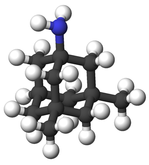
Allergan makes deal with Amneal over its Namenda XR generic
Allergan has gained some breathing space for the extended-release version of its blockbuster Alzheimer’s disease treatment Namenda XR (memantine XR) after making a deal to delay generics entry for more than four years.

Formulation differences between generics and reference products
Authors from the Office of Generic Drugs at the US Food and Drug Administration (FDA) highlight general toxicology concerns caused by formulation differences between generic and originator drugs [1].
FDA approval for guaifenesin generics
Allergan (formerly Actavis) and its partner Perrigo Company (Perrigo) announced on 10 September 2015 that the companies had received US Food and Drug Administration (FDA) approval for their abbreviated new drug applications for three guaifenesin generics.
Stakeholder perceptions of generics
Considerable emphasis is presently being placed on usage of generics by governments focussed on the potential economic benefits associated with their use. Concurrently, there is increasing discussion in the lay media of perceived doubts regarding the quality and equivalence of generics. Consequently, the opinions of key stakeholders in the provision and consumption of medicines are of importance when considering how generics are accepted by both healthcare professionals and the general public alike.

First generic version of Alzheimer’s patch launched in US
US generics company Alvogen announced on 31 August 2015 the launch of its generic equivalent of Novartis’s Alzheimer’s disease treatment Exelon patch (rivastigmine transdermal system) in the US.
The history of generics in France
The introduction of generics in France has been slow and cumbersome. It has taken 20 years for integration of generics into the market and for acceptance to be reached by healthcare professionals and patients. In a historical review of the emergence of generics in France, Rottembourg and Nasica-Labouze [1] reflect on developments in the generics market over this time.
Patient adherence and generics
Patient adherence to medication is a long-standing problem. Could lowering patient out-of-pocket costs through tier/copay reduction and generics substitution be a mean to improve adherence? This is a question Sanchez and co-authors tried to answer in their review of generics, cost and medication adherence [1].

Mylan sued over generic prostate cancer drug
Generics giant Mylan announced on 18 August 2015 that the company was being sued by BTG International, Janssen Biotech, Janssen Oncology and Janssen Research & Development in connection with the filing of an abbreviated new drug application (ANDA) with the US Food and Drug Administration (FDA) for generic abiraterone acetate.

Observational study shows switching to generic olanzapine safe
A retrospective, observational study carried out by researchers from The University of Auckland, New Zealand (NZ) found no adverse health outcomes when patients switched between generic and brand-name olanzapine [1].
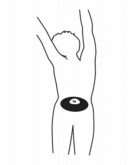
Yasmin generic launched in US
US generics giant Mylan Pharmaceuticals (Mylan) announced on 8 September 2015 the US launch of its generic version of Bayer’s oral contraceptive pill Yasmin (drospirenone/ethinyl estradiol), following approval by the US Food and Drug Administration (FDA) of its abbreviated new drug applications (ANDA). This marks Mylan’s thirteenth oral contraceptive launch in the US.

Sun Pharma recalls drugs from troubled Halol plant
India-based Sun Pharmaceutical Industries (Sun Pharma) is once again having to recall drugs from its troubled Halol plant in Gujarat, India.

Safety of generic immunosuppressants in solid organ transplantation
There are an increasing number of generic immunosuppressive drugs available for use in patients with solid organ transplant. However, given the potential for organ rejection with inadequate immunosuppression, there is considerable debate in the literature regarding the safety of generic immunosuppressive medications. To investigate these concerns, Amber Molnar and co-authors from the University of Ottawa, Canada, carried out a systematic review and meta-analysis comparing the clinical efficacy and bioequivalence of generic and originator immunosuppressive medications in the solid organ transplant population [1].
Generics applications under review by EMA – August 2015
Generic medicines in Europe can be approved either centrally via the European Medicines Agency (EMA) or nationally via the local regulatory body [1]. Approval by EMA takes place by using a centralized procedure. This leads to approval of the product in all 28 European Union (EU) Member States and in Iceland, Liechtenstein and Norway. At a country level, if approval in a single EU Member State only is required, this can take place using the national procedure. However, as soon as a company seeks approval in two or more Member States, a decentralized procedure or mutual recognition procedure must be used [2].
US FDA approval for Hep B and osteoporosis generics
Indian generics maker Aurobindo Pharma (Aurobindo) has received US Food and Drug Administration (FDA) approval for two more generics from its portfolio, bringing its total abbreviated new drug application (ANDA) approvals to 210 (182 final and 28 tentative).

Generic imatinib non-inferior to Gleevec
Following the approval of four generics of imatinib in Turkey, Demirkan and co-authors from the Dokuz Eylül University in Turkey compared the efficacy of these newly approved generics with the originator product Gleevec from Novartis [1].

Alzheimer generic launched in the US
Indian generics giant Dr Reddy’s Laboratories announced on 13 July 2015 the launch of generic memantine hydrochloride tablets in dosages of 5 and 10 mg, following approval of the company’s abbreviated new drug application (ANDA) by the US Food and Drug Administration (FDA).
Generic Parkinson’s drug hits US market
Indian generics giant Dr Reddy’s Laboratories announced on 12 August 2015 that it had launched generic pramipexole dihydrochloride extended-release tablets in dosages of 0.375, 0.75, 1.5, 3 and 4.5 mg, following approval of the company’s abbreviated new drug application by the US Food and Drug Administration on 7 August 2015.
ANI Pharmaceuticals acquires 22 generics from Teva
US-based brand-name and generics manufacturer ANI Pharmaceuticals (ANI) announced on 13 July 2015 that it had acquired 22 previously marketed generics from Teva Pharmaceutical Industries (Teva).
Proposals to lessen the shortage of essential cancer drugs, generics and biosimilars in the US and the world
Essential cancer and supportive drug shortage in the US seriously affects cancer care, and increases cost pressure on the health system. These drugs are mostly off-patent generics. Collaborative efforts of FDA, pharmacists, physicians and pharmaceutical companies slightly improve this problem. However, these measures are partial. For an issue of multiple complexities there is no single magic stick that could solve it. The underlying economic issues and lack of incentives for production need to be addressed to arrive at innovative and permanent solutions for this multifactorial problem [1, 2].
Generic bivalirudin approved in US
US-based injectables and biosimilars specialist Hospira announced on 16 July 2015 the approval of its abbreviated new drug application (ANDA) for generic bivalirudin for injection by the US Food and Drug Administration (FDA).
Effect of price caps and reference pricing on generics entry
In a study carried out by Brekke and co-authors on the impact of price caps in combination with reference pricing on generics entry was investigated [1].

Actavis hit with lawsuit over generic version of weight-loss drug
US-based obesity specialist Orexigen Therapeutics (Orexigen) and its North American partner, Takeda Pharmaceuticals (Takeda), have sued Actavis (Allergan’s US generics business) over its generic version of the weight-loss drug Contrave (naltrexone/bupropion).
Effect of co-insurance and reference pricing on generics entry
To study the impact of reference pricing on generics entry Brekke and co-authors developed a novel Salop-type model where a brand-name producer competes with several generics makers in terms of prices [1].
Indian pharma industry to get government support
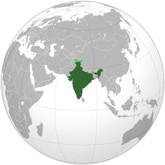
In a bid to promote the manufacture of pharmaceuticals in the country, the Indian Government has announced plans to set up a Rs 500-crore venture capital fund to provide cheaper loans to firms looking to establish or upgrade manufacturing facilities.
Mylan launches generic asthma inhaler in UK
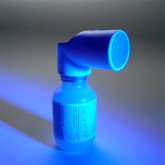
US generics manufacturer Mylan announced on 8 June 2015 that it had launched the first bioequivalent alternative to GlaxoSmithKline (GSK)’s asthma inhaler Seretide/Advair (fluticasone/salmeterol) in the UK.
Effect of reference pricing on generics entry
Reference pricing can produce substantial savings, but what conditions are the most likely to result in cost savings? This was a question addressed by Brekke and co-authors from the University of Minho in Portugal in their Working Paper [1].
Generics of ADHD drug launched in US
Shire Pharmaceutical’s (Shire’s) blockbuster attention deficit hyperactivity disorder (ADHD) drug Intuniv is now facing competition as four generics of the therapy have been launched on the US market.

Malaysian physicians have negative perceptions of generics
A study investigating the knowledge, perceptions and behaviour of physicians from private medical centres in Malaysia regarding generics found that the majority of physicians had negative perceptions about the safety, quality and efficacy of generics [1].

Osteoporosis and ADHD generics launched in USA
On 1 and 2 June 2015, Israeli generics giant Teva Pharmaceutical Industries (Teva), launched its latest osteoporosis and ADHD generics, respectively.
Drug evergreening strategies in India
A study of drug patent evergreening in India found that this is a strategy that has been used by manufacturers of a particular drug to restrict or prevent competition from manufacturers of generic equivalents. It is also a strategy still being used in India despite the efforts of Section 3(d) of the Indian Patent Act to curb such practices [1].

Generics applications under review by EMA – April 2015
Generic medicines in Europe can be approved either centrally via the European Medicines Agency (EMA) or nationally via the local regulatory body [1]. Approval by EMA takes place by using a centralized procedure. This leads to approval of the product in all 28 European Union (EU) Member States and in Iceland, Liechtenstein and Norway. At a country level, if approval in a single EU Member State only is required, this can take place using the national procedure. However, as soon as a company seeks approval in two or more Member States, a decentralized procedure or mutual recognition procedure must be used [2].
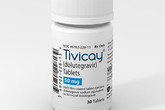
FDA receives application for first generic of HIV drug dolutegravir
India-based Aurobindo Pharma (Aurobindo) has submitted an abbreviated new drug application (ANDA) for HIV treatment dolutegravir for tentative approval, to the US Food and Drug Administration (FDA).

Physicians’ perceptions of HIV generics in France
A study of French physicians in HIV clinics found that, while the majority of these physicians were willing to prescribe antiretroviral generics, a quarter of physicians were openly opposed to antiretroviral generics [1].

Patients’ perceptions of HIV generics in France
In a study of patient perceptions of HIV generics in France, Jacomet and co-authors found that while the majority of patients accepted antiretroviral generics, a third of the patients were openly opposed to antiretroviral generics [1].
Generics of high blood pressure medication launched
On 31 March 2015, generics majors Mylan, Sandoz and Teva Pharmaceutical Industries (Teva) announced the US launch of their respective generic amlodipine and valsartan combination tablets in four dosages.

Patients’ and physicians’ perceptions of HIV generics
A study of adult HIV positive outpatients and their physicians in clinics across France found that a third of patients and a quarter of physicians are openly opposed to antiretroviral generics [1].

TWi and Takeda settle dispute over anti-reflux generic
Taiwan-based TWi Pharmaceuticals (TWi) announced on 27 April 2015 that it had entered into a settlement agreement with Takeda Pharmaceutical Company, Takeda Pharmaceuticals USA and Takeda Pharmaceuticals America (Takeda) to settle and dismiss all outstanding patent litigation related to TWi’s generic dexlansoprazole.

Statin generics improves adherence
Switching from a brand-name statin to a generic statin has been shown to improve adherence, researchers in Sweden report [1].
FDA approves first generics of antipsychotic drug
The US Food and Drug Administration (FDA) announced on 28 April 2015 the approval of the first generics of Otsuka Pharmaceutical’s schizophrenia drug Abilify (aripiprazole).
Poland’s experience with generic imatinib
In July 2014, Poland became the first country in the European Union (EU) to introduce a generic form of the chronic myeloid leukaemia (CML) treatment imatinib. This, and the dearth of reliable information related to CML patients in Europe who have taken generic imatinib, make the country uniquely positioned to monitor the process of switching from the brand-name drug to its generic, according to author Patrycja Rusicka of the Medical University of Warsaw, Poland [1].

Soaring generics prices come under increased scrutiny
The US Department of Health and Human Services (HHS) is to investigate the soaring prices of generics in the US.

Safety and cost considerations of generic and originator gabapentin
The launch of generic garbapentin prompted researchers from the Chulalongkorn University and the King Chulalongkorn Memorial Hospital in Bangkok, Thailand, to carry out a study to compare the safety and effectiveness of generic gabapentin compared to originator gabapentin (Neurontin) [1].
IDT Australia gets FDA nod for 23 generics
IDT Australia announced on 13 April 2015 that the US Food and Drug Administration (FDA) had accepted the transfer of ownership of 23 generics to the Australia-based company.
Brazilian patients positive about generics
A study looking at patients perceptions on generics in Brazil concludes that, although Brazilian patients have a positive attitude towards generics, more work is needed to increase the use of generics in the country.
Effectiveness of generic and originator gabapentin in lower back pain
Researchers from the Chulalongkorn University and the King Chulalongkorn Memorial Hospital in Bangkok, Thailand, carried out a study to compare the effectiveness of generic gabapentin Sandoz compared to originator gabapentin (Neurontin) [1].
France outlines plans to promote generics
The French are in general mistrusting of generics with many choosing to stay with brand-name drugs. However, in 2012, in order to combat rising healthcare costs, the French Government introduced measures to increase generic drug use in the country [1]. Now the government has gone a step further and is introducing a national action plan to encourage the use of generics in the country.

Comparison of generic and originator gabapentin
The cost of treatment for patients with neuropathic lower back pain is higher than those with non-neuropathic lower back pain. Originator gabapentin (Neurontin), an anticonvulsant, the efficacy has been proven for pain improvement among patients with neuropathic pain. In Thailand, gabapentin has usually been prescribed for patients having chronic back pain associated with lumbar radiculopathy, however, the high cost of originator gabapentin (Neurontin) has been found to be a problem for patients. Although generic gabapentin has recently been launched in Thailand, there is limited clinical evidence to prove its effectiveness compared to the originator.

Shire grabs Par’s attention with patent lawsuit
Shire has served its rival Par Pharmaceutical (Par) with a patent infringement lawsuit in New Jersey Federal Court over Par's application to market a generic version of Shire's attention deficit hyperactivity disorder medication Adderall XR.

Dr Reddy’s US drug pricing comes under scrutiny
Dr Reddy’s Laboratories, the India-based generics drugmaker, has been asked to share drug-pricing information with the attorneys general of California and Texas in November 2014. The two US States take their lead from an investigation into generics pricing at the national level.
Generics utilization policies necessary to sustain Medicaid
A review of the history and expansion of generics utilization policies and their critical role in the US Medicaid system in an era of reduced budgets concluded that such policies are a necessary component for preservation of the Medicaid system [1].
Actavis loses Atelvia patents
Teva Pharmaceutical Industries (Teva) has won a legal battle against Actavis after a federal judge invalidated two patents protecting the post-menopausal osteoporosis drug Atelvia (risedronate sodium delayed-release tablets, 35 mg). Actavis acquired Atelvia in 2013 when it bought Irish drugmaker Warner Chilcott [1], which continues to produce the drug as an Actavis subsidiary.
Health Canada clamps down on GMP compliance
Canada’s federal health department Health Canada has written to its licensed drug and active pharmaceutical ingredients (API) manufacturers worldwide reminding them of their regulatory responsibilities and obligations. The department plans to step up planned and unplanned inspections of facilities, with the aim of taking timely and appropriate action where needed.

Ranbaxy fails to reverse FDA decision over Valcyte and Nexium
Indian generics company Ranbaxy has yet again failed in its bid to become the first company in the US to sell generic versions of the AstraZeneca blockbuster acid-reflux drug Nexium (esomeprazole) and F. Hoffman-La Roche’s cytomegalovirus treatment Valycte (valganciclovir). Launching the first generic copies of the drugs would have given Ranbaxy six months of exclusivity on the market.

Potential savings of Euros 72 million with more generics use in three therapeutic areas
A nationwide cohort study in Austria reported that substituting branded medications with drugs containing the same active ingredients (generics) could save considerable amounts of money. A study at the Center for Medical Statistics, Informatics and Intelligent Systems (CeMSIIS) at the Medical University of Vienna, Austria, in cooperation with the Main Association of Austrian Social Security Institutions, has calculated the potential savings from generic medications used in the treatment of common conditions such as hypertension, hyperlipidaemia and diabetes mellitus. The potential annual financial savings for health insurance companies stand at around 18 per cent, equating to tens of millions of Euros [1].
Drug companies seek to block generic version of ulcerative colitis therapy
The patent holder and manufacturer of Uceris (budesonide), a treatment for ulcerative colitis, have sued generics company Actavis for infringing their drug’s patents. Actavis recently filed an abbreviated new drug application (ANDA) with the US Food and Drug Administration (FDA) seeking approval to market Budesonide extended-release tablets, 9 mg.
Poor generics awareness among physicians in Saudi Arabia
A study looking at physicians’ knowledge, opinions and attitudes towards prescribing local generics in Saudi Arabia concludes that poor knowledge of local generics among consultant physicians working in government hospitals lies behind low prescription rates.

FDA cash to develop hard-to-copy generics
The US Food and Drug Administration (FDA) is offering US$850,000 to research teams working on generics development. Funds will be split between three programmes: bioequivalence testing for long-acting periodontal drugs; developing methods for assessing long-acting injectable generics; and dissolution methods for long-acting levonorgestrel intrauterine system. Funds may be extended for a further two years.

US court invalidates asthma drug patent
The US District Court of New Jersey ruled on 13 February 2015 that the patent protecting AstraZeneca’s inhaled asthma drug Pulmicort Respules (budesonide inhalation suspension) is invalid, opening the door to competition from generics.
Pfizer warns UK doctors not to prescribe generic Lyrica for pain
Pharma giant Pfizer is fighting hard to protect one of its brand-name products, this time its epilepsy treatment Lyrica (pregabalin).

Actavis receives generic opioid approval and plans name change
US generics maker Actavis announced on 20 February 2015 that it had received final approval from the US Food and Drug Administration (FDA) for its abbreviated new drug application (ANDA) for a generic version of Reckitt Benckiser’s Subutex (buprenorphine) sublingual tablets in dosages of 2 and 8 mg.
Substitution and adherence to antidiabetic generics in the elderly
When pharmacists switch from brand-name to generic drugs or between the same generics made by different manufacturers, this is thought may affect patient adherence to their medication. Therefore, Trotta and co-authors carried out a study to quantify the extent of switches between generic antidiabetics and to verify whether switching between different products of the same substance affects adherence [1].

Mylan being sued over sorafenib generic
US-based Mylan is coming under fire from German pharma giant Bayer, as the generics maker is sued for violating patents on Bayer’s liver and kidney cancer drug Nexavar (sorafenib).

Dr Reddy’s could move manufacturing site with view to FDA approval
Generics manufacturer Dr Reddy’s Laboratories (Dr Reddy’s), determined not to lose out on US Food and Drug Administration (FDA) approval for its generic version of the acid-reflux blockbuster Nexium (esomeprazole), is considering switching manufacturing to a new facility.
Generics versus brand-name drugs
Is there a benefit to prescribing brand-name drugs versus prescribing generics? The answer appears to be no, according to evidence collected by researchers from the University of British Columbia in Vancouver and the University of Alberta in Edmonton, Canada [1].

Akorn submits ANDA for difluprednate ophthalmic emulsion
US generics maker Akorn has confirmed that it has filed an abbreviated new drug application (ANDA) with the US Food and Drug Administration (FDA) seeking approval to market difluprednate ophthalmic emulsion 0.05%.

Irish doctors’ attitudes towards generics
In June 2013, Ireland signed a new Act into law [the Health (Pricing and Supply of Medical Goods) Act 2013] paving the way for generics substitution and reference pricing for the first time in that market. As a consequence of the new legislation, Irish patients became more likely than ever to encounter generics.
FDA approves first generic esomeprazole
Esomeprazole is a proton pump inhibitor that reduces the amount of acid in the stomach. The drug is indicated to treat gastroesophageal reflux disease (GERD) in adults and children aged one year and older.
Generics applications under review by EMA – December 2014
Generic medicines in Europe can be approved either centrally via the European Medicines Agency (EMA) or nationally via the local regulatory body [1]. Approval by EMA takes place by using a centralized procedure. This leads to approval of the product in all 28 European Union (EU) Member States and in Iceland, Liechtenstein, and Norway. At a country level, if approval in a single EU Member State only is required, this can take place using the national procedure. However, as soon as a company seeks approval in two or more Member States, a decentralized procedure or mutual recognition procedure must be used [2].

Prasco to market authorized colchicine generic in the US
US generics maker, Prasco Laboratories (Prasco), announced on 12 January 2015 that it had entered into an alliance with the US subsidiary of Japanese pharmaceutical company, Takeda, to distribute an authorized generic version of Colcrys (colchicine) in the US.
Patient perceptions of generics in Ireland
In an attempt to benefit from the cost savings associated with use of generics, in June 2013 the Irish Government introduced generics substitution and reference pricing for the first time via the Health (Pricing and Supply of Medical Goods) Act. However, as perceptions of Irish patients towards generics have not been published previously, the objective of this study was to assess how generics were perceived amongst patients in the Irish health system [1].
US judge invalidates 4 of 5 patents on Cubicin
A US federal judge has invalidated four out of the five patents on antibiotic Cubicin (daptomycin), paving the way for generics from June 2016.


