Generics
EMA recommends approval of abiraterone and thiotepa generics
In January and February 2021, the European Medicines Agency’s (EMA) Committee for Medicinal Products for Human Use (CHMP) held meetings that led to positive opinions towards the recommendation for approval of two generics, Abiraterone Accord (abiraterone) and Thiotepa Riemser (thiotepa).
Teva and Sandoz launch new generics
In early 2021, Teva Pharmaceuticals announced the US launch of generic versions of NuvaRing® and AZOPT®. During the same period, Sandoz launched its version of Firazyr.
EMA recommends approval of fourth COVID-19 vaccine
11 March 2021 saw the European Medicines Agency (EMA) recommended granting a conditional marketing authorisation for the fourth COVID-19 vaccine. After a thorough evaluation, EMA’s Committee for Medicinal Products for Human Use (CHMP) concluded that data on the Janssen vaccine were robust and met the criteria for efficacy, safety and quality.
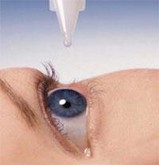
Debate about generic versus brand-name drugs for glaucoma
Glaucoma is a chronic, largely asymptomatic disease that often needs lifelong treatment. The choice of drugs is extremely important as the cost of drugs; side effects and efficacy often affect compliance and adherence to therapy. For a given class of drug, there are three options including brand-name drugs, generics and branded generics. Brand-name drugs are costlier compared to generics and branded generics because they are originator molecules developed by a company after many years of research and come into the market with a patent. Whereas branded generics are produced by a different company once the patent of the originator company expires. Moreover, competition amongst different companies to make the similar formulation of branded generics further reduces the cost.
Posaconazole, silodosin and droxidopa generics from Lupin and Sandoz
Early 2021 saw the launch of two generic versions of posaconazole in Canada and the US. In Canada, the first generic version of the drug was launched by pharmaceutical manufacturer Sandoz Canada on 26 January 2021, along with a generic version of silodosin. These launches were followed by the launch of Lupin’s generic posaconazole in the US in mid-February 2021. During the same period, Lupin also announced the US approval of its generic droxidopa capsules [3].
The role of authorized generics in improving access to medicines
In recent years, many authorized generic drug products have been launched by pharmaceutical companies at lower prices than their brand-name originators. A recent viewpoint, published in JAMA Internal Medicine [1], discusses the ways that authorized generics are launched in the US. It also considers whether these products improve lower costs and access to medicines.

Opportunities for generics with Korean patent expires in 2021
As part of ongoing action to improve the quality of generics and ensure an efficient and competitive generics market, the Korean Ministry of Food and Drug Safety (MFDS) announced that 158 patents for pharmaceutical products will expire in 2021.
Approving generics of polymer-based parenteral long-acting drugs
To assure the safety and the efficacy of drugs, quality and batch-to-batch reproducibility need to be guaranteed. In the case of parenteral long-acting products, the regulatory authorities in the European Union (EU) and the US deviate in their guidance, differences include how to define such products and in vitro release assays.
AIFA updates the Transparency Lists for generics
The Italian Medicines Agency (Agenzia Italiana del Farmaco, AIFA) announced on 15 January 2021 the update of its Transparency Lists (liste di trasparenza).

Adherence improves long-term prognosis and medical costs in Japan
Medical costs and the burden associated with cardiovascular disease are on the rise. In Japan, due to changes in lifestyle and other factors, the number of inpatients with cardiovascular disease and other conditions is increasing at a rate of 10,000 per year.

Anti-competitive strategic patenting by pharmaceutical companies
Drug prices have considerably increased in recent years, affecting healthcare budgets and posing a serious risk to the affordability and accessibility of medicines for society [1]. Various reasons for high drug prices are put forward by pharmaceutical companies, including the complexity of drug discovery and development, as well as the expensive and lengthy regulatory procedures involved [2]. While these reasons may play an important role in this regard, some practices by pharmaceutical companies substantially contribute to this problem.

Biocon and Lupin launch generic tacrolimus capsules in US
India-based generics makers Biocon and Lupin have both launched generic tacrolimus capsules in the US.

New generics company to offer low-cost versions of high-cost generics
Billionaire Marc Cuban has launched a new generics company – Marc Cuban Cost Plus – which ‘is dedicated to producing low-cost versions of high-cost generic drugs’.

Generics applications under review by EMA – January 2021
Generic medicines in Europe can be approved either centrally via the European Medicines Agency (EMA) or nationally via the local regulatory body [1]. Approval by EMA takes place by using a centralized procedure. This leads to approval of the product in all 28 European Union (EU) Member States and in Iceland, Liechtenstein and Norway. At a country level, if approval in a single EU Member State only is required, this can take place using the national procedure. However, as soon as a company seeks approval in two or more Member States, a decentralized procedure or mutual recognition procedure must be used [2].

Perspectives of prescribing practices in public health facilities in Eswatini
Rational medicines use (RMU) is the prescribing/dispensing of good quality medicines to meet individual patient’s clinical needs. Policymakers, managers and frontline providers play critical roles in safeguarding medicine usage thus ensuring their rational use. Therefore, in order to investigate this, researchers carried out a study investigating the perspectives of key health system actors on prescribing practices and factors influencing these in Eswatini [1]. Public sector healthcare service delivery in the region is carried out through health facilities (public sector, not-for-profit faith-based, industrial) and community-based care.
A European pharmaceutical strategy promoting generics and biosimilars
The European Commission has adopted a new Pharmaceutical Strategy for Europe [1], as of 25 November 2020.
Familiarity with substitution of prescription generics increases positive attitudes toward OTC generics
Introduction of measures to stimulate increased sale of generics swept over the Nordic countries in the 2000s. In Sweden, in 2002, generics substitution for reimbursed prescription drugs was made mandatory and the switching rates rose over the years to reach almost 100%. Although generics policies seem to be reserved for the prescription drug market [1], a contagion effect has been observed in the market for over-the-counter (OTC) drugs. Soon after the Swedish state monopoly on the sale of pharmaceutical products was terminated and new measures to boost sales of generic prescriptions was put in place in 2009, new generic brands of the top-selling OTC analgesics emerged on the market, all with a lower price compared with previously established brands [2]. Since OTC drugs are usually excluded from pharmaceutical benefit schemes, it is reasonable to expect a demand for cheaper brands when such options exist. Albeit, time has shown that the original brands often hold their position as OTC market leaders.

Cost savings after switching to generic tacrolimus
The use of narrow therapeutic index generic immunosuppressant in solid organ transplantation is controversial. This is because drugs with a narrow therapeutic index, such as immunosupressants, are defined by a narrow distance between the dosage that induces a desired effect and that dosage which already has a toxic effect [1]. This has led to medical and scientific societies being reluctant to switch to generics of these types of drugs because they think that small pharmacokinetic differences could predispose episodes of acute rejection or of adverse effects derived from toxicities of the product [2, 3].

Equivalent adherence with brand and generic osteoporosis treatments
Osteoporosis patients are just as likely to adhere to a generic bisphosphonate treatment as they are to a brand-name product, reveals a new study published in Scientific Reports [1].

Pfizer sues Aurobindo and Dr Reddy’s over Ibrance (palbociclib) generics
US-based pharmaceutical company, Pfizer, has filed petitions in US courts against Aurobindo Pharma and Dr Reddy’s Laboratories.

China prioritizes drug innovation while increasing access to drugs approved abroad
China's pharmaceutical industry is undergoing a transformation towards high-quality and innovation-focused development, which has led to an explosion of new drug and clinical trial approvals in recent years.
Teva launches first Truvada and Atripla generics and two digital inhalers
On 2 October 2020, Teva Pharmaceuticals announced the launch of the first US Food and Drug Administration (FDA) approved generic versions of Truvada (emtricitabine 200 mg/tenofovir disoproxil fumarate 300 mg) and Atripla (efavirenz 600 mg/emtricitabine 200 mg/tenofovir disoproxil fumarate 300 mg) tablets for the treatment of HIV-1.
Pharmacokinetics and generic drug switching: a regulators view
Researchers from the Netherlands share their view on the pharmacokinetic aspects of generic drug switching, from a regulatory perspective. They argue that there is no reason to change the current average bioequivalence-based approval pathway for generics [1].

EMA recommends approval of Lenalidomide Mylan
The European Medicine Agency’s (EMA) Committee for Medicinal Products for Human Use (CHMP) announced on 15 October 2020 that it recommends granting marketing authorization for the generic medicine Lenalidomide Mylan (lenalidomide).

COVID-19 vaccine progress and FDA approvals for Zydus Cadila
India-based generics company, Zydus Cadila, has had many advancements with product development and approval between August and October 2020. In August, the company announced that its plasmid DNA vaccine to prevent COVID-19 (ZyCoV-D) was found to be safe and well tolerated in the phase I clinical trial. Following this, phase II trials of the vaccine started on 6 August 2020. In October, Zydus Cadila had a number of products approved by the US Food and Drug Administration (FDA) and was launching a forglyn pressurized metered-dose inhaler (pMDI) to treat patients with chronic obstructive pulmonary disease (COPD) in India.
Brazil sees a COVID vaccine setback but treatment advancement
In Brazil’s quest to tackle the COVID-19 pandemic, there has been a volunteer death in a potential vaccine trial, but a potential treatment option has emerged. Brazil has the second number of COVID-19 deaths, with over 159,033 deaths recorded up to end of October 2020.
FDA approves Glenmark and Cipla generics
Glenmark Pharmaceuticals and Cipla Limited have announced that they have received US food and Drug Administration (FDA) approval to market their generic drug products in the US. Both companies have received approval to market dimethyl fumarate delayed-release (DR) capsules and Glenmark also received approval to market Sirolimus tablets.
Reforms to health policy needed in Europe
The President of Medicines for Europe has made four key recommendations for European Union (EU) pharmaceutical policy, while the Irish Pharmacy Union (IPU) says reforms to the health service could save Ireland millions of euros.
Medicare Part D favours generics over brand-name drugs
A recent assessment of Medicare Part D [1] finds that insurance plans favour generic drugs over innovator products. Fewer than 1% of plans covered only the brand-name version of a drug in 2019.

Sun Pharma launches Ilumya in Japan and favipiravir in India
Sun Pharmaceutical Industries Inc (Sun Pharma) announced that their innovative biopharmaceutical product, Ilumya (tildrakizumab), will be launched in Japan. As a producer of generics, rather than biologicals, this is an important milestone for the company. This launch joins Sun Pharma’s August 2020 launch of favipiravir for treatment of COVID-19 patients at a very economic price in India.

Structural reforms are required to make Japan’s healthcare system sustainable
Japan’s healthcare system provides universal coverage and high-quality healthcare delivery. With relatively minor changes for nearly six decades, it has kept the country remarkably healthy. However, a recent study has highlighted that significant changes may be necessary to maintain long-term sustainability.

Out-of-pocket spending caps cut patient spending by a third
Out-of-pocket spending caps on specialty drugs in the US have reduced spending by 32% for some patients, finds a new study of almost 30,000 specialty drug users [1].
EMA recommends approval for arsenic trioxide and fampridine generics
The European Medicines Agency’s (EMA) Committee for Medicinal Products for Human Use (CHMP) announced on 23 July 2020 that it had recommended granting marketing authorization for two generic medicines: arsenic trioxide medac (arsenic trioxide) and Fampridine Accord (fampridine).

The benefits of tracking generic drug quality
Resources such as the US Food and Drug Administration’s (FDA) Sentinel Initiative should be used to their full potential in order to monitor the quality of generic drugs, suggests a recently published research letter [1].

Mylan launches first generic of Tecfidera in the US
On 19 August 2020, Mylan announced the launch of the first US Food and Drug Administration (FDA) approved generic of Biogen's multiple sclerosis (MS) treatment Tecfidera (dimethyl fumarate).

Evaluating reasons for US low generics substitution rates
The uptake of generic drug products in the US has not met expectations despite their widespread availability and relatively low cost. A team of researchers based at Johns Hopkins University in the US, have now investigated the reasons for generics utilization and substitution across therapeutic classes. They reveal marked variation in reasons, with women less likely to substitute for generics, those using mail order pharmacies less likely to substitute, and state specific laws having little influence.
Lupin’s generic diabetes drug approved and asthma drug launched in US
In August 2020, India-based generics maker Lupin announced that it has received approval from the US health regulator to market a generic diabetes drug in America. Following previous US Food and Drug Administration (FDA) approval, it has also now launched generic tablets for the treatment of asthma in the US market.
Generics substitution in Finland: a pharmacy dispenser perspective
In Finland, mandatory generic drug substitution was adopted in 2003 [1]. This is overseen by pharmaceutical staff who give advice to patients and decide which drug products they should receive. A recent study by Ranio et al. assessed the content of patient counselling about interchangeable medicines and generics substitution in Finnish community pharmacies [2].
Two additions to the South Korean generics market
In South Korea, a generic drug for the treatment of breast cancer and generic versions of Pfizer’s popular smoking cessation drug, Champix, are soon to become available. These additions to the South Korean market are likely to help it reach the US$20 billion that it is expected to reach in 2020 [1]. This recent leap in its pharmaceutical market size has been spurred on by significant government investments in generics and the fact that many originator drugs lose their patents in 2020, opening the market to generics.
Study reveals link between socioeconomic status and brand-name prescriptions
A link between socioeconomic status and the prescription of brand-name drugs in the US, has been revealed by a team of researchers based at Brown University [1].
Indian generics makers begin to dispatch remdesivir
Generic drugmakers Hetero and Cipla are among the first Indian manufacturers to dispatch a generic version of the investigational COVID-19 treatment remdesivir, which was originally developed by Gilead Sciences.
Generics applications under review by EMA – July 2020
Generic medicines in Europe can be approved either centrally via the European Medicines Agency (EMA) or nationally via the local regulatory body [1]. Approval by EMA takes place by using a centralized procedure. This leads to approval of the product in all 27 European Union (EU) Member States and in Iceland, Liechtenstein and Norway. At a country level, if approval in a single EU Member State only is required, this can take place using the national procedure. However, as soon as a company seeks approval in two or more Member States, a decentralized procedure or mutual recognition procedure must be used [2].

Cost savings from the use of generic Gleevec (imatinib)
Modelling of the cost savings from the use of generic Gleevec (imatinib) in the US finds that US payers saved US$2.5 billion in years 1 and 2 following patent expiry. Projected savings in years 3 to 5 exceed US$12 billion, even without step-edit formulary management [1].
Cost-effectiveness of generic dabigatran
Since the enactment of Hatch-Waxman Act in 1984, use of generics has grown substantially in the US. Generics now account for nearly nine out of 10 prescriptions and are considered a cost-containment solution for escalating healthcare expenditures [1]. However, several factors may influence the use of generics including, but not limited to, the perception of the safety and effectiveness of these products [2]. The US Food and Drug Administration’s (FDA) standard of bioequivalence requires similar pharmacokinetic (PK) profiles of generic versus reference drug products with the assumption of similar pharmacodynamic (PD) effect. However, several instances related to generics substitution and treatment failures have led to concern particularly for drugs with narrow therapeutic indices and in therapeutic areas with severe effectiveness and safety outcomes.
Generics of apixaban and chlorzoxazone approved in EU and US
The European Medicines Agency’s (EMA) Committee for Medicinal Products for Human Use (CHMP) has recommended a generic version of the anticoagulant medicine apixaban. Meanwhile in the US, the Food and Drug Administration (FDA) has approved a generic version of the muscle relaxant chlorzoxazone.
Differences in originator and generic drug labels: impact on patient safety
The labels for established generics and their originators differ. Especially when it comes to safety messaging, these differences could have a fatal or life-threatening impact on patients, according to researchers from Switzerland [1].

Generics substitution in Finland: a pharmacy customer perspective
Generics offer less expensive alternatives to brand-name drugs. However, they must be accepted by patients to increase uptake and reduce healthcare cost. Finland adopted generics substitution in 2003. Then, in 2009, this was supplemented with a reference price system. A recent survey [1] has shown that the price of medicine is key for Finnish pharmacy customers.

HIV drug Kaletra appears on Russian black market
There are several reports of a black market in Russia emerging for the HIV drug Kaletra, following claims that it can be used to treat COVID-19.
Aurobindo Pharma receives FDA approval for three generics
India-based generics maker Aurobindo Pharma (Aurobindo) has received three approvals from the US Food and Drug Administration (FDA) in recent months, including for its generic versions of guaifenesin, fluoxetine and – via partner company Eugia Pharma – methotrexate.
US policy to combat high-priced generics
The cost of prescription drugs is a concern in the US. Drug prices typically decline once a generic drug is approved due to market competition. However, in recent years generics prices have risen and there have been shortages. The US Food and Drug Administration (FDA) has taken action to reduce prices and increase generics competition. It is hoped that this will increase access to medicines across the country.

COVID-19 drugs: Gilead’s remdesivir and Algernon’s alternative
Gilead Sciences has signed licensing agreements with five generics manufacturers based in India and Pakistan to increase production of its experimental COVID-19 drug remdesivir.
Why does the US face high-priced generics and drug shortages?
Healthcare budgets in the US are under strain and the cost of prescription drugs is a continuous concern. Generic drugs offer cheaper alternatives to brand-name products due to competition. However, in recent years generics prices have risen in the US and there have been shortages of products.

FDA approves Proventil and Daraprim generics
The US Food and Drug Administration (FDA) has approved the first generic version of a commonly used inhaler, marketed as Proventil, and the anti-parasitic Daraprim, which has previously been the subject of a price gouging scandal.

CMS proposes new measures to rate generic usage
The Centers for Medicare & Medicaid Services (CMS) is actively working to promote competition and lower costs for drugs, according to a statement released in February 2020, which also details new measures of generics usage to help calculate a plan’s star rating.
Science, outreach, development: US Generics Drugs Office reaches new highs in 2019
The US Food and Drug Administration (FDA) Office of Generic Drugs 2019 Annual report gave updates on the number of generics approvals in 2019. These remained high at 1,014 [1-3]. The report also discussed the progress of the FDA’s Drug Competition Action Plan (DCAP) and FDA’s Generic Drug User Fee Amendments (GDUFA) programme [4], and information about the achievements of the Office of Generic Drugs (OGD) in terms of research proposals, outreach activities and international development.
Comparison of economic loss between generics and patented drugs in Indonesia
Poor management of the drug inventory in hospitals can be caused by stagnant and stock-out conditions, which might lead to economic loss. In order to investigate this phenomenon, researchers from Indonesia compared the economic loss between generics and patented drugs in stagnant and stock-out conditions at the Surabaya Islamic Hospital [1].
Improving the pathway for generics approval in the US: 2019 update
The US Food and Drug Administration’s (FDA) Office of Generic Drugs released their 2019 annual report in February 2020. This gave updates on the number of generics approvals in 2019 which reached 1,014. It also gave information on the progress of FDA’s Drug Competition Action Plan (DCAP) and FDA’s Generic Drug User Fee Amendments (GDUFA) programme in 2019.
Generics approvals remain high in US in 2019
In February 2020, the US Food and Drug Administration’s (FDA) Office of Generic Drugs released their 2019 Annual report which highlighted the year’s key achievements. The report stated that in 2019, the Office of Generic Drugs (OGD) facilitated 1,014 generic drug final and tentative approvals. This is slightly lower than the 1,021 approvals of 2018 but remains high enough to make a positive contribution to the FDA’s generic drug programme.
Generics outreach programmes should target high income groups
Patients with lower incomes are more likely to use generic drugs, finds a literature review from Auburn University, Alabama, USA [1].

FDA approves lung cancer and anticoagulant generics
The US Food and Drug Administration (FDA) has issued a final approval for a generic version of Alimta (pemetrexed) and two new generics of Eliquis (apixaban).
Pharmacopeial standards may increase generics competition
Pharmacopeias, which contain descriptions of drug preparations, are critical for ensuring the safety of drug products. A study from Johns Hopkins University has now shown that pharmacopeial standards may also increase generics competition [1].

Delayed entry of buprenorphine generics cost NHS England GBP 0.5 million
A market analysis has shown that lack of competition for generic buprenorphinepatches meant the National Health Service (NHS) in England lost savings. The analysis estimates that if all generic drug products entered the market at the same time, the NHS could have saved GBP 0.5 million more over a six-month period [1].
Chinese company makes copy of patented coronavirus treatment remdesivir
China’s BrightGene has successfully produced remdesivir, an experimental treatment for coronavirus, however, patents for the drug are currently held by the American company Gilead.
Survey reveals attitudes to unauthorized hepatitis C generics
A survey of physicians, pharmacists, patients and other professionals in Switzerland has shown that, although most people think unauthorized generics are lower quality than their corresponding brand, they do support their import for those in need [1].

US lawmakers question FDA on complex generics approvals
A US Congress Committee have sent a letter to the US Food and Drug Administration (FDA) regarding concerns over the approval of complex generics.
EMA recommends four new generics
At the Committee for Medicinal Products for Human Use’s (CHMP) January 2020 meeting, the Committee recommended four new generics, and one new biosimilar, for approval.
Russian drug shortages at ‘crisis point’
Russia has been facing limited access to foreign pharmaceutical products for several years, but recent reports suggest drug shortages are reaching ‘crisis point’.
Irish pharmaceutical association urges political parties to create a new medicines policy
The Irish Pharmaceutical Healthcare Association (IPHA) has urged political parties to mandate new policy to increase access to medicines ahead of the Irish general election, which was held on 8 February 2020.
Generics applications under review by EMA – January 2020
Generic medicines in Europe can be approved either centrally via the European Medicines Agency (EMA) or nationally via the local regulatory body [1]. Approval by EMA takes place by using a centralized procedure. This leads to approval of the product in all 28 European Union (EU) Member States and in Iceland, Liechtenstein and Norway. At a country level, if approval in a single EU Member State only is required, this can take place using the national procedure. However, as soon as a company seeks approval in two or more Member States, a decentralized procedure or mutual recognition procedure must be used [2].

FDA approves generics for cancer and gout
The US Food and Drug Administration (FDA) has approved two generic versions of Novartis’ anticancer drug Afinitor (everolimus), alongside a generic of Takeda’s gout treatment Uloric (febuxostat).

FDA sets up centre to improve quality of compounded drugs
The US Food and Drug Administration (FDA) has established a Center of Excellence to improve the quality of compounded drugs, which are created by combining two or more drugs and are not FDA-approved.
Medicare Part D has no impact on generics prescribing in long-term care
A recent observational study [1] in long-term care facilities in the US shows that the Medicare Part D programme has no significant effect on the rate of generic drug prescriptions, contrary to expectations.
FDA approves MS and prostate generics
The US Food and Drug Administration (FDA) in December 2019 approved the first generics of Gilenya (fingolimod) for multiple sclerosis (MS) and Rapaflo (silodosin) for benign prostatic hyperplasia.

American College of Physicians makes new recommendations to cut drug spending
A paper from the American College of Physicians (ACP) makes a number of policy recommendations to reduce costs of prescription drugs in the US, including annual caps for out-of-pocket spending and negotiating with manufacturers [1].
The impact of generics regulation in Brazil
Sales of originator drugs have decreased and the number of generics manufacturers have increased following the introduction of the Brazilian Generics Law, reports a new study [1].
Ontario proposes regulatory changes to simplify drug formulary listing and cut government payments to pharmacies
Following a number of changes in Canada’s generics and biosimilars landscape in 2019 [1-3], the Ontario Ministry of Health and Long-Term Care (the Ministry) is proposing a number of changes to streamline drug formulary listing and reduce the payments it makes to pharmacies for dispensing drug benefits.
WHO prequalifies antiparasitic API
The World Health Organization (WHO) has announced the prequalification of Pyrimethamine, manufactured by Macleods Pharmaceuticals Ltd, as an active pharmaceutical ingredient (API).
EMA recommends approval for two new generics
The European Medicines Agency’s (EMA) human medicines committee recommended seven new medicines for approval at its November 2019 meeting, including two generics: clopidogrel/acetylsalicylic acid and deferasirox.
FDA generics approvals increasing but not for at-risk generics
Analysis of generics approvals by the US Food and Drug Administration (FDA) reveals a slight increase in the total number of applications approved between 2016 and 2018. Over 1,800 applications were approved in this time, however, there was no significant change to the proportion of these drugs in shortage or with limited competition [1].

FDA identifies causes of drug shortages, recommends solutions
In response to growing concern over drug shortages, the US Food and Drug Administration (FDA) has released a report and accompanying statement regarding causes and solutions for the problem.


